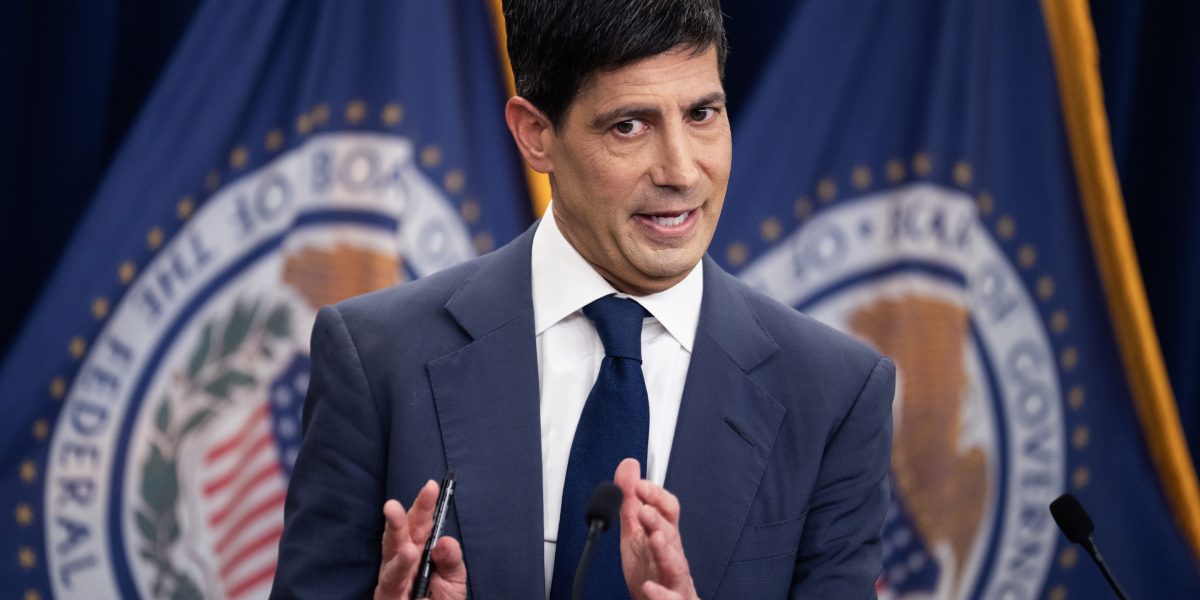

Federal Reserve Chair Kevin Warsh acknowledged Wednesday that financial markets appear anything but tight, even as the central bank maintains restrictive monetary policy. With SpaceX's historic IPO, Alphabet's $85 billion secondary offering, and a wave of corporate debt issuance from Nvidia and others, companies are raising capital at record levels despite no rate cuts in sight.
- The Capital Raising Bonanza
- Fed Chair's Paradoxical Admission
- Why Companies Are Rushing to Raise Cash
- What This Means for the Industry
- What's Next for IPOs and Debt Markets
The Capital Raising Bonanza
Goldman Sachs estimated that IPOs in 2026 will generate a total of $225 billion in proceeds, up from a previous view of $160 billion and 2025's tally of just $44 billion. That forecast was made before SpaceX's blockbuster IPO, which alone raised $85.7 billion in stock.
Alongside IPOs, secondary stock offerings are swelling corporate war chests. Google parent Alphabet netted nearly $85 billion in what was the biggest equity capital markets transaction ever. AI chip leader Nvidia is reportedly preparing to raise more than $20 billion in its first debt sale since the AI boom began, according to sources who spoke to CNBC.
Corporate bond issuance in the year through May totaled $1.23 trillion, up 21% from a year ago as hyperscalers take on debt to fund massive AI infrastructure spending, according to the Securities Industry and Financial Markets Association. Convertible debt is also booming — issuance from U.S.-listed firms year-to-date is up 43% from the same period in 2025, reaching $54 billion.
SpaceX is reportedly preparing to issue $20 billion in bonds shortly after its IPO, signaling that even the most capital-intensive ventures find ample appetite from debt markets.
Fed Chair's Paradoxical Admission
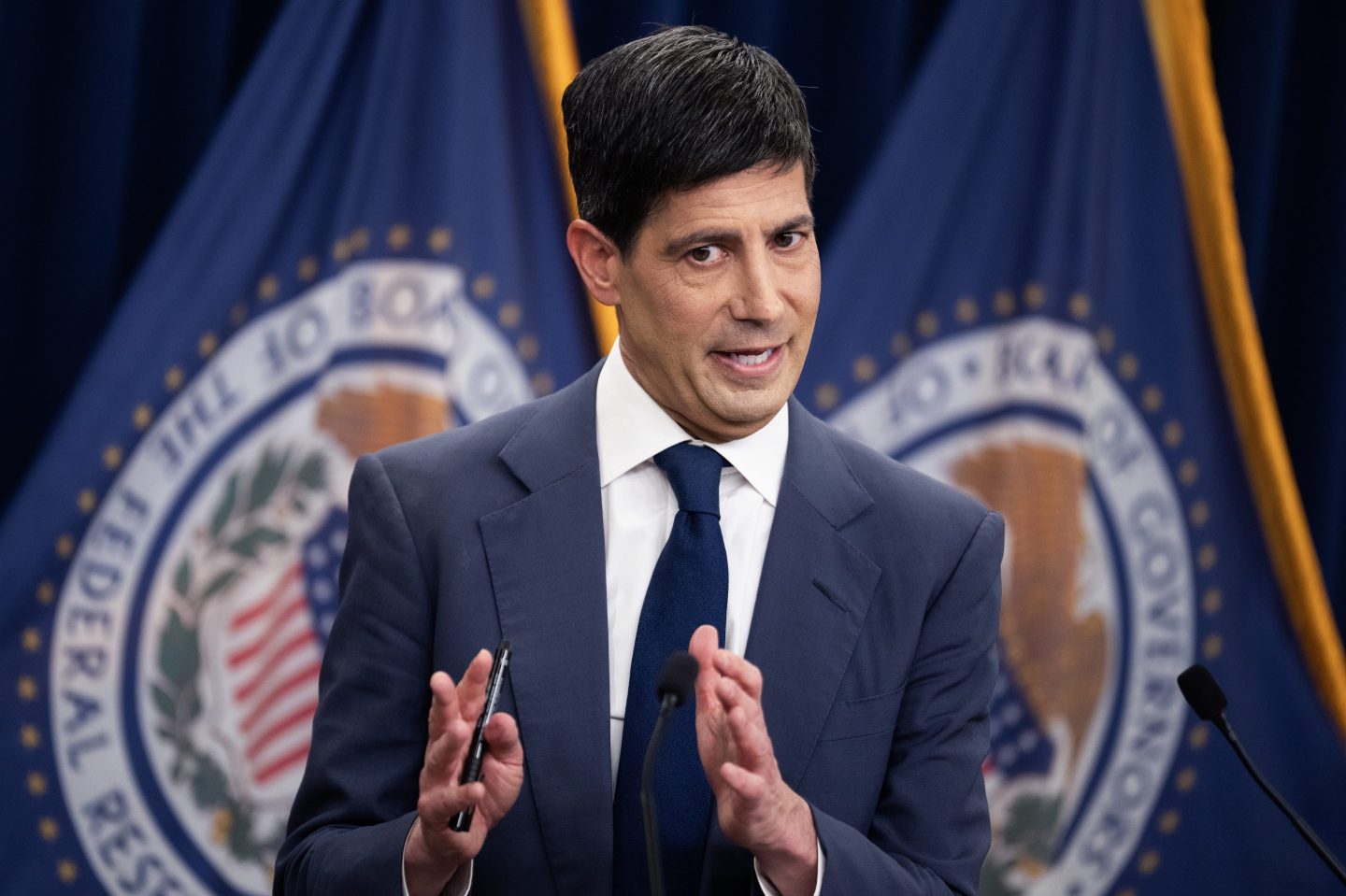
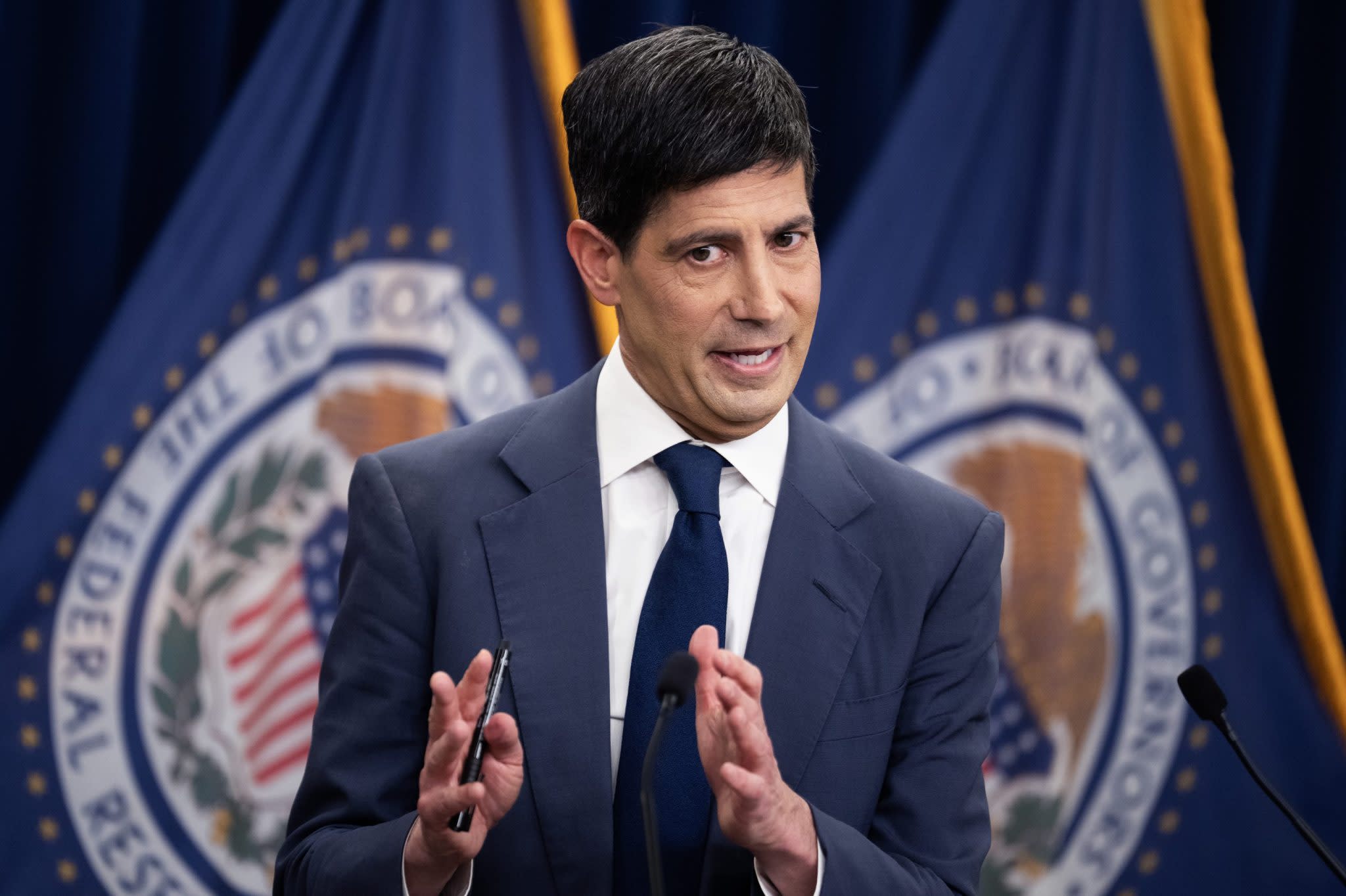
In his first press briefing as Fed chair on Wednesday, Kevin Warsh nodded to the gusher of capital flowing from Wall Street, even as he maintained that monetary policy overall is "somewhat restrictive."
"I would have a hard time managing to say those words if I were to see what's happening in financial markets," Warsh admitted. "So I'd say it's uneven. That's perhaps a function of different transmission mechanisms of monetary policy, whether monetary policy is coming from our interest rate tool or our balance sheet tool."
The remark contrasted sharply with his otherwise hawkish tone on inflation, which he called "a choice." The comment suggests Warsh may pursue more aggressive steps to cool prices rather than look past the current spike as temporary.
Financial conditions remain mixed. The housing market has stagnated since the Fed hiked rates aggressively to fight post-COVID inflation. Last year's rate cuts did little to boost home sales and construction, especially after oil prices and bond yields soared earlier this year amid geopolitical tensions.
Yet for large tech companies with access to public markets, capital has never been easier to obtain — a paradox the Fed chair himself acknowledged.
Why Companies Are Rushing to Raise Cash
The surge in capital raising is driven by several factors. AI infrastructure spending has become a voracious consumer of capital, with hyperscalers and chip companies needing billions for data centers, graphics processing units (GPUs), and energy contracts. Nvidia's planned $20 billion debt sale and Alphabet's massive secondary offering are directly tied to these investments.
IPO activity is also being pulled forward as mature private companies — notably SpaceX, OpenAI, and Anthropic — see favorable market windows. According to Fortune's original report, OpenAI and Anthropic are expected to raise tens of billions of dollars when they go public later this year.
Corporate debt issuance could top $2 trillion by year's end, according to analysts cited in the original article.
However, Deutsche Bank analysts caution that the scale of today's capital raising looks less dramatic relative to total market size. The total volume raised from U.S. IPOs so far this year represents only about 0.2% of the S&P 500's market capitalization. By comparison, new issuance in 1993 was 2% of the index.
"The 2026 boom largely consists of mature mega-cap companies exiting, rather than an early-90s-style wave of emerging businesses using the public market to build," Deutsche Bank said in a note. "Structurally deep private markets fund that growth phase today, and additional stricter regulation makes it more onerous to list."
What This Means for the Industry
For investors: The disconnect between tight Fed policy and loose financial conditions creates an unusual environment. Record capital raising suggests that equity and debt markets remain bullish on tech megacaps, but the Fed's hawkish stance on inflation could eventually tighten conditions if rates rise further. Investors should watch for signs that the capital raising is saturating demand, particularly in the bond market where $1.23 trillion has already been issued.
For companies: The window for raising large amounts of cheap capital remains wide open, especially for AI-related firms. SpaceX's ability to raise $85.7 billion in its IPO and then quickly follow up with $20 billion in bonds shows that markets are hungry for high-growth, capital-intensive stories. However, the cost of debt could rise if the Fed follows through on its hawkish rhetoric. Companies that need to issue bonds or equity may want to act before conditions shift.
For the broader tech industry: The sheer volume of capital being raised is reshaping competitive dynamics. Alphabet's $85 billion equity raise gives it an enormous war chest to invest in AI, cloud, and other strategic areas. Nvidia's first debt sale since the AI boom started signals that even the most successful chip company needs external capital to keep up with demand. Smaller competitors risk being left behind if they cannot access similar funding. Meanwhile, IPO pipelines from OpenAI and Anthropic could validate sky-high private valuations and set new benchmarks for AI public market debuts.
What's Next for IPOs and Debt Markets
With SpaceX, Alphabet, and Nvidia setting records, the pace of capital raising shows no signs of slowing. OpenAI and Anthropic's IPOs later this year could be among the largest tech listings ever. Corporate debt issuance may surpass $2 trillion by year-end, up from roughly $1.5 trillion in 2025.
Yet the Fed's direction remains the wild card. Warsh's hawkish inflation stance suggests that rate cuts are off the table, and further hikes are possible. If bond yields rise, the current favorable borrowing environment could tighten, especially for riskier credits. For now, though, the capital markets are operating at full throttle — even as the central bank insists the party should be winding down.
Conclusion
The paradox of tight Fed policy and loose financial conditions has entered an acute phase, with SpaceX, Alphabet, and Nvidia leading a capital raising binge that shows no immediate signs of abating. Chair Warsh's own admission that he finds it "hard" to call policy restrictive given market conditions underscores the tension. For now, the markets are sending a clear signal: capital is abundant for the largest tech companies, regardless of what the central bank says.