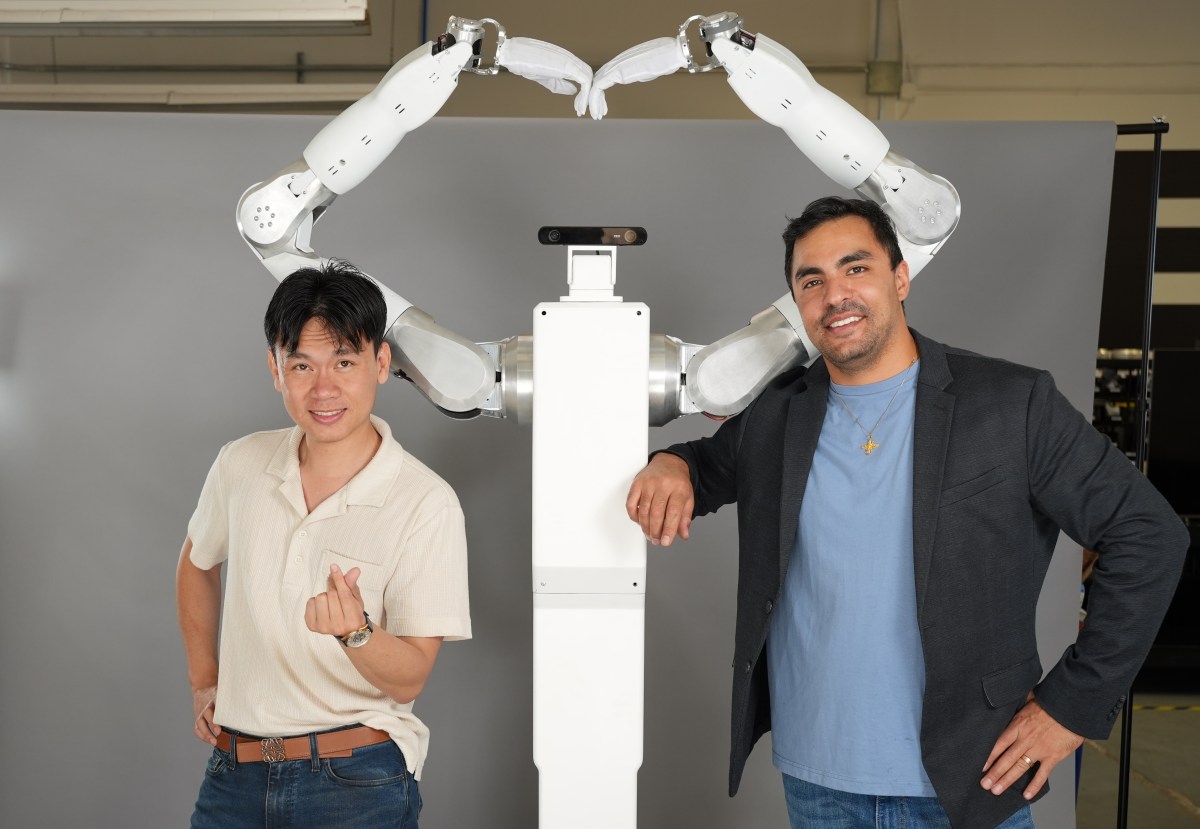

Feather Robotics has begun selling a modular humanoid platform for developers, first reported by TechCrunch. The $30,000 system gives developers a customizable hardware and software base for real-world tasks, while Feather says its robots are already working as cooks in restaurants and cleaning up science labs, with customers left unnamed.
The startup is taking a different route from Tesla and Figure. Those companies are pursuing both a robot body and a foundational AI system that is not yet widely deployed, while Feather provides a hardware and software toolkit for developers tackling real-world tasks now.
Its modular system supports changes such as different arm lengths and can run models from Nvidia, Skild, or Physical Intelligence. Feather has been selling small quantities of the robots, and revenue has surpassed $1 million. Separately, co-founder Hoa Mai said the startup had resolved almost all issues over the last year of field testing and was getting ready for a big product launch.
Gradient Ventures backed Feather at its inception, leading the startup’s previously announced $7.6 million pre-seed round. General partner Darian Shirazi believes Feather has no direct competitors in the U.S. and is the only U.S. startup developing a modular humanoid platform.
Mai acknowledged that Feather drew from Chinese robotics companies such as Unitree, while new foreign-made models are restricted from entering the U.S. market. The robot costs $30,000, about half the price of Unitree’s H2 Edu.
Shirazi compared that price with $50,000 to $60,000 a year for a laborer, plus training, HR, and other support mechanisms. He also said Feather had spent only a fraction of its pre-seed funding.
Feather’s pitch pairs a product already being sold with a bet on a broader application ecosystem. Mai says the physical-AI market is small today but expects the number of physical-AI application companies to be in the thousands in five years, and Feather hopes its platform will power them.