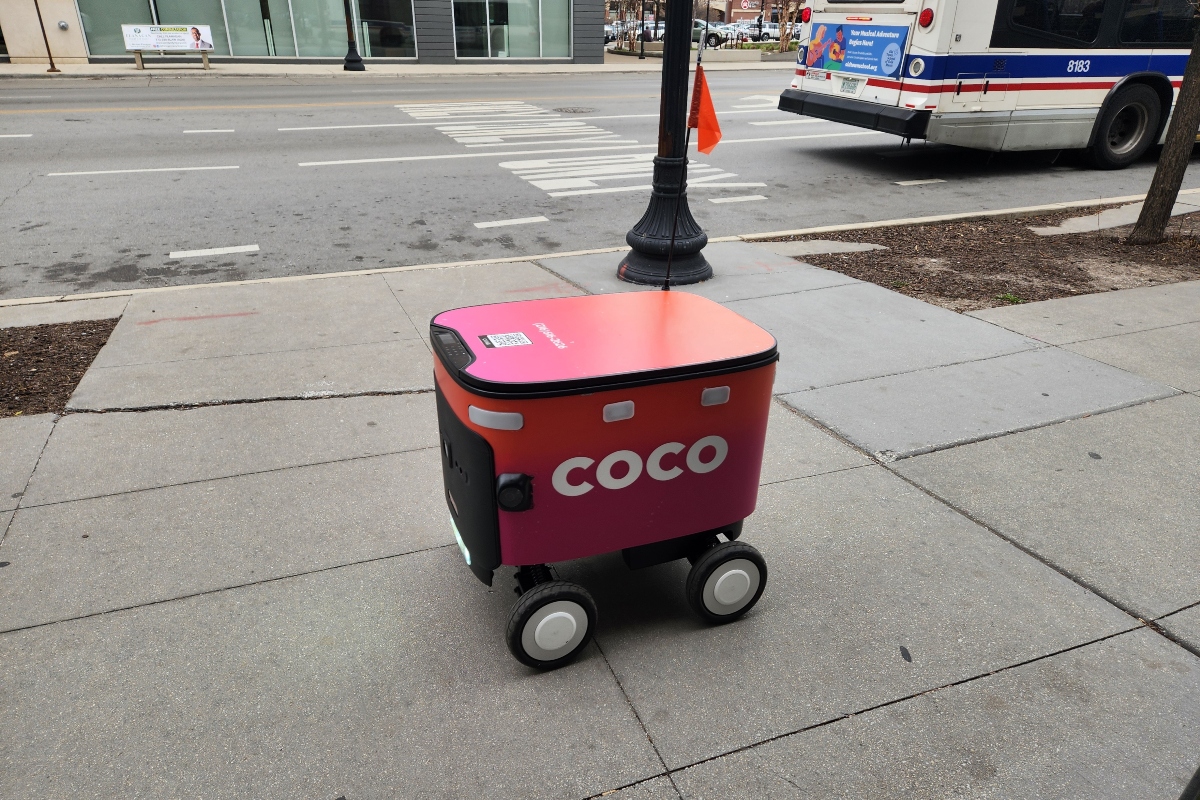

Two Chicago residents have brought separate class-action lawsuits accusing delivery-robot companies Coco Robotics and Serve Robotics of collecting biometric data without consent, first reported by Gizmodo. The suits seek statutory damages under Illinois’ Biometric Privacy Act, which requires written notice of collection, written consent and a clear policy for data retention and destruction.
The complaints involve separate deliveries but similar claims. In the Coco Robotics case, a plaintiff alleges the robot’s cameras recorded his hands, head and face as he went to pick up a DoorDash order; LiDAR sensors measured their geometry and distance from the machine. He also alleges a remote operator could watch video of the delivery in real time and says he did not consent.
The Serve Robotics case concerns a bot completing an Uber Eats delivery, and the plaintiff alleges it collected and retained biometric information without permission. The complaint also alleges that the company may be using that information to train artificial intelligence systems and potentially licensing the data to third parties.
Both lawsuits claim violations of Illinois’ Biometric Privacy Act. The law requires firms collecting biometric data from state residents to provide written notice of their collection practices, obtain written consent from consumers and keep a clear policy for retaining and destroying the data.
Plaintiffs seek statutory damages of $1,000 per violation or $5,000 per intentional or reckless violation, plus other relief. Both companies denied wrongdoing as alleged in the lawsuits.
The cases center on data collection, while the local dispute also includes residents’ concerns about sharing sidewalks with the bots. Delivery robots have grown considerably in number over the past few years and have become a point of contention among Chicago residents. Many believe the bots cause sidewalk congestion and can create safety hazards for pedestrians.