OpenAI will put ads on ChatGPT’s Free and Go tiers in India

OpenAI will put ads on ChatGPT’s Free and Go tiers in India

2 min readAug 29, 2026
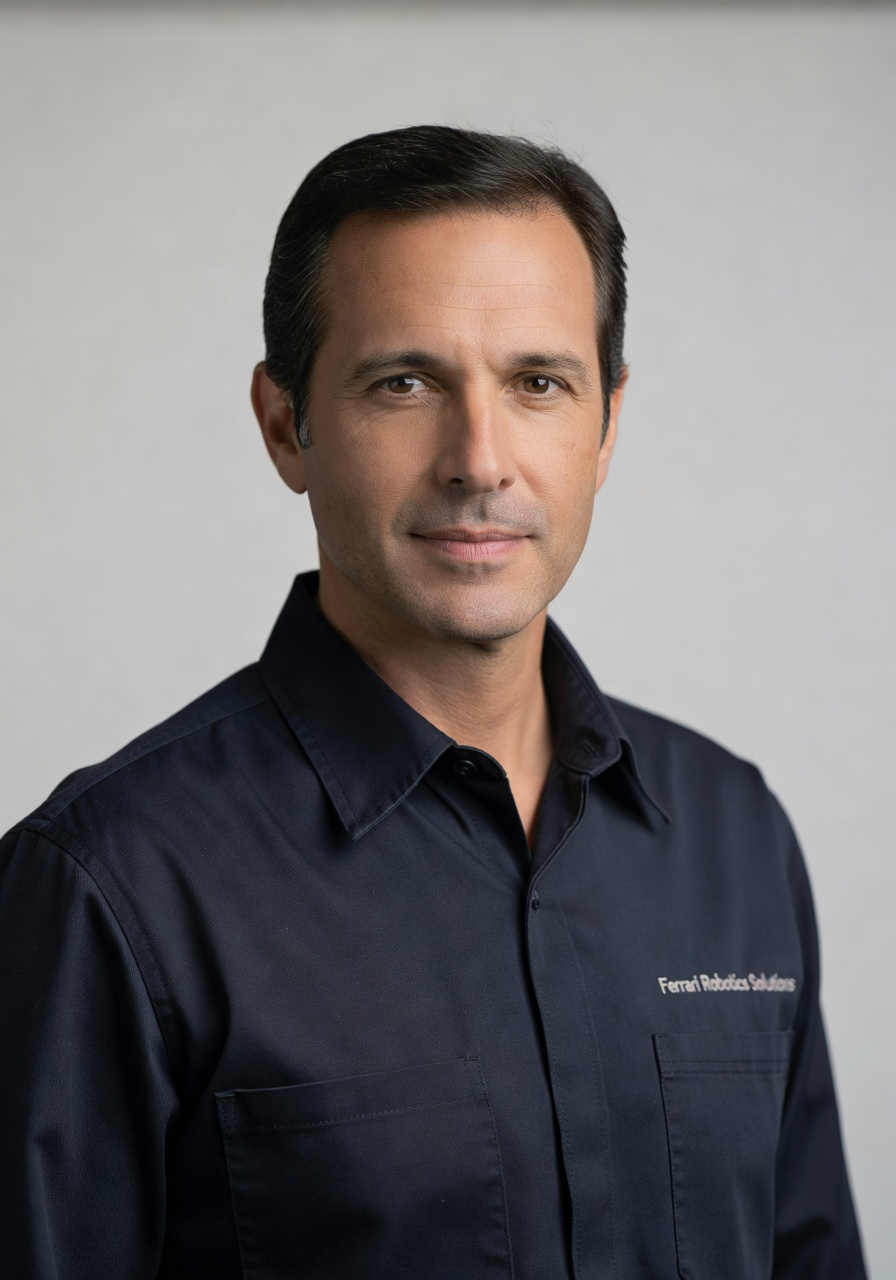
Marco Ferrari
Marco Ferrari

OpenAI will start showing ads on ChatGPT’s Free and Go tiers in India, first reported by TechCrunch. OpenAI said in February that it has more than 100 million weekly active ChatGPT users in India, and that a huge chunk of those users are on the free or lower-priced Go tiers.

The initial rollout will show ads for 50 brands, and OpenAI has partnered with agencies WPP and Omnicom. The company will launch an ad manager next month that will let marketers create campaigns for their companies, provided the campaigns have a daily minimum budget of ₹725 ($7.60).

The move follows a change to OpenAI’s terms of service earlier this month indicating that it will show ads while users use the AI assistant. OpenAI started showing ads to U.S. users in February and expanded the program to serve ads in Europe earlier this month.

OpenAI has worked hard to cultivate its user base in India. It launched a sub-$5 ChatGPT Go plan in August 2025, ran a limited promotion that made the tier free for a full year, advertised its products during the Women’s Premier League and Indian Premier League cricket leagues, and hired Uber’s India head to lead expansion efforts in the country.

Ahead of a potential IPO expected this year or next, OpenAI has been trying to ramp up and cement its revenue sources. The Wall Street Journal said the company recorded revenue of $6.7 billion in the second quarter ended June 2026, up from $5.7 billion in the previous quarter.

Last November, The Information reported that OpenAI was aiming for 220 million paying subscribers by 2030 and that 35 million users paid for its Plus and Pro plans at that time.

Meta agrees to teen limits in settlement costing up to $17B

Meta has reached a settlement with attorneys general from 47 states over allegations that it illegally manipulated children’s attention, first reported by Newyorker. The agreement could cost the company up to $17 billion and would change how Facebook and Instagram handle teen access through age verification, daily limits and nighttime restrictions.

Meta did not acknowledge wrongdoing. The Oakland trial turned on whether Section 230 of the Communications Decency Act, which protects providers from liability for user-posted content, should also shield the algorithms that shape what users see; the plaintiffs argued that it should not.

The states presented evidence that senior executives, intent on maximizing the company’s growth, repeatedly set aside concerns about what Meta’s products were doing to its youngest users. A former Meta engineer testified that the chance of a teen encountering violent or graphic content was between a hundred and four hundred times higher than what the company acknowledged publicly.

Meta also spent more than two billion dollars on legal defense in the second quarter of 2026 alone.

Under the agreement, Facebook and Instagram will remove the like count on posts, do more to verify that users are at least thirteen years old, limit service to two hours a day for teenagers and restrict service entirely for those users during nighttime hours.

The settlement was quickly compared with the tobacco lawsuits of the nineties. But Meta is a trillion-dollar company increasingly invested in artificial intelligence, and the agreement applies to only a single facet of its sprawling operations. The deal places a striking financial cost alongside product changes focused on teen users.

New technologies are being disseminated ever more quickly, while the machinery of politics and law delivers accountability intermittently and at a painstaking crawl. It took more than a decade of worrying about how teenagers used Facebook and Instagram for a legal settlement to enforce a change in Meta’s behavior.

Florida’s attorney general, James Uthmeier, stayed away from the lawsuit, arguing that it did not go far enough. After the settlement was announced, he said, “We’ll see them at trial.”

🍪 Cookie preferences

We use cookies to measure performance. Privacy Policy