
Canton Fair opens service-robot zone as buyers prioritize reliability

Canton Fair opens service-robot zone as buyers prioritize reliability

2 min read•Oct 24, 2026•
Takeshi Yamamoto
Takeshi Yamamoto

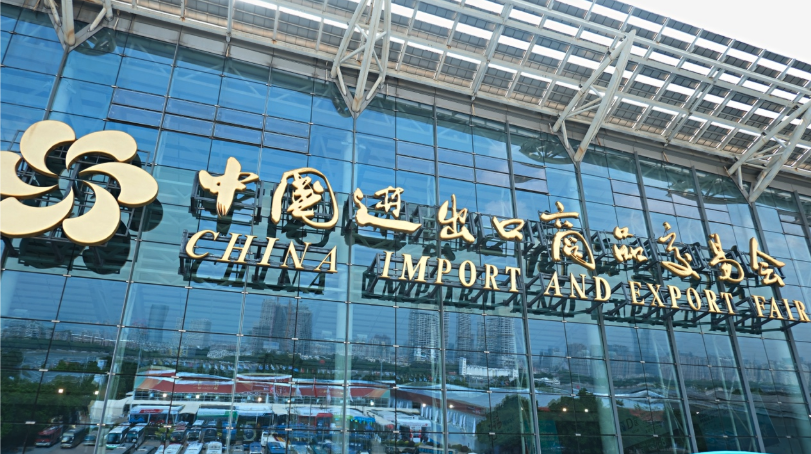
The 140th Canton Fair has opened a dedicated service-robot zone in its Phase 1 Advanced Manufacturing programme, first reported by Roboticsandautomationnews. International procurement teams focused on whether robotic systems could sustain full-shift commercial and industrial workloads, making reliability, not a scripted demonstration, the key question in their evaluations at the fair.

The 140th edition marks the Canton Fair’s 70-year milestone, and the new zone sits inside Phase 1’s “Advanced Manufacturing” programme. That programme spans 520,000 m², with 12,000 exhibitors across 17 emerging-industry zones.

Cleaning and delivery robots ran live operational demonstrations along exhibition aisles. Humanoid platforms and dexterous robotic hands were displayed on pedestals; wearable exoskeletons were available for hands-on trials, and inspection robots built for high-risk environments were shown side by side.

The zone mixed live demonstrations with displays and hands-on trials, while buyer evaluations centered on reliable full-shift work.

More than 32,000 exhibitors were at the Canton Fair this session. More than 11,000 exhibitors are nationally recognized specialized and champion manufacturers for this edition, and 64% of participating enterprises deploy industrial-internet-enabled or AI-powered solutions.

New-product launches within emerging industries rose by approximately 20%, and 170 major international buying groups had registered ahead of opening day.

Plug-in vehicles reach 32% of global registrations in September

Plug-in vehicles reached 32% of global registrations in September, first reported by Cleantechnica. Battery-electric vehicles accounted for 23% of registrations and set a record at 1.54 million, up 8% year over year, while plug-in hybrids fell 9%; year to date in 2026, BEVs were up 12% and PHEVs down 10%.

Global plug-in registrations rose 3% year over year to around 2.16 million in September, close to the all-time record of 2.17 million set last December.

Year to date, plug-in registrations were up 4% year over year: BEVs grew 12%, while PHEVs fell 10%. Their combined share for 2026 stood at 25%, with BEVs at 18% and PHEVs at 7%. The overall growth rate therefore hides a clear split between the two categories.

The Tesla Model Y led the model rankings with a record 165,000 registrations, up 17% year over year. Tesla Model 3 came second with 65,000, enough to move ahead of Geely Xingyuan and BYD Song despite a 4% annual decline.

BYD Song finished fourth at 54,519 registrations, up 19% and the fastest growth rate among the top five. An export push and the new-generation Ultra body helped lift the model.

At the make level, Tesla had a record 232,000 registrations, up 9% year over year. Toyota reached 61,332 for its fourth record in a row, finishing ahead of Volkswagen’s year-best 58,000 to become September’s best-selling legacy make.