California law sets robotaxi duties for emergency response

California law sets robotaxi duties for emergency response

2 min read•Oct 6, 2026•
Carlos Mendez
Carlos Mendez

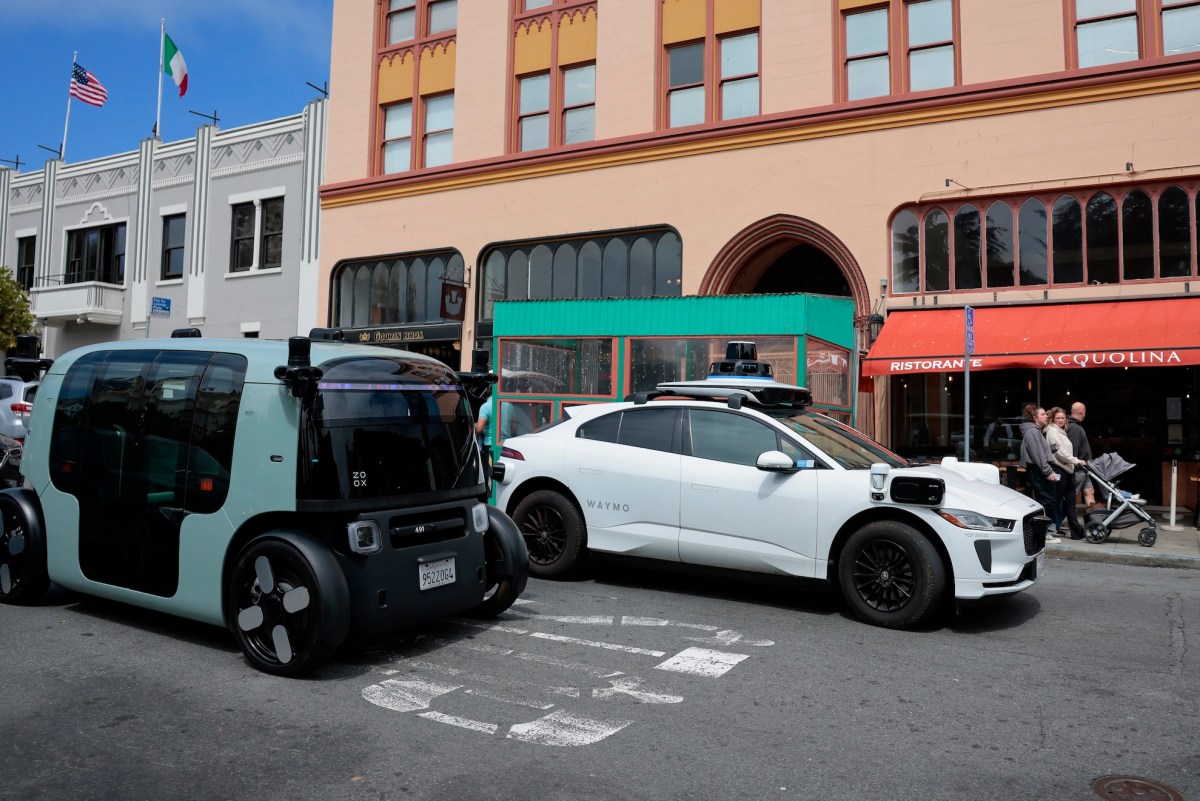
California Gov. Gavin Newsom signed Senate Bill 1246 into law, setting new requirements for autonomous-vehicle companies when robotaxis interfere with emergency responders, first reported by TechCrunch. The law aims to improve safety and response times when vehicles are disabled or interfere with emergency crews, and creates ways to hold companies accountable.

Robotaxis have impeded traffic, driven into crime scenes and interfered with first responders. In some cases, companies have relied on first responders to move their robotaxis.

The disruptions are occurring in the early stages of the robotaxi era. The law is intended to get ahead of the problem before the next wave of robotaxis arrives.

Autonomous-vehicle technology companies such as Tesla, Waymo and Zoox must provide first responders with local, on-the-ground support when robotaxis cause problems. They could face penalties if a robotaxi blocks police or firefighters for more than 30 minutes.

The law also limits remote drivers to people based in the United States who hold U.S. driver’s licenses. During system-wide failures, developers must notify cities, towns and other local jurisdictions about vehicles’ location and status.

Developers must provide local incident technicians to assist with AV accidents and obstructions. The rules pair local incident response with restrictions on remote-driver eligibility and required notices during system-wide failures.

California’s Department of Motor Vehicles, the state’s main autonomous-vehicle regulator, will handle remaining details. The law takes effect in July 2028.

Whether other states follow California’s lead or wait for the federal government to weigh in remains an open question.

Arizona appeals court vacates manslaughter sentence after AI video

An Arizona appeals court vacated the 10.5-year sentence of Gabriel Horcasitas while upholding his manslaughter conviction, first reported by Nytimes. The case returns to Maricopa County Superior Court for resentencing without the video, after judges found that it presented scripted statements as if the victim himself were speaking in court.

The three-judge panel said the video generated a likeness of Christopher Pelkey’s voice and appearance but did not reflect actual events. It found that allowing and relying on the video made the sentencing fundamentally unfair, and noted that no prior Arizona case had addressed the admissibility of such a depiction at sentencing.

The judges said a victim’s right to speak cannot override a defendant’s right to be sentenced on accurate, reliable information. They said the video collapsed the distinction between the family’s belief about what Pelkey would have said and Pelkey’s own voice and opinions.

The ruling distinguishes family members speaking about Pelkey from a generated likeness that appeared to speak for him.

Pelkey’s sister, Stacey Wales, presented the video during Horcasitas’s sentencing alongside victim-impact statements from family and friends. Wales wrote the script and said her husband and the couple’s longtime business partner helped create the video using Pelkey’s voice from a YouTube video and his face and torso from a funeral-service poster.

Judge Todd F. Lang praised the video as genuine, then imposed the maximum sentence of 10.5 years, more than the nine years prosecutors had sought.

Wales said nobody intended to make the court believe Pelkey was alive or that he had recorded the video before his death. She said she disagreed with the ruling and argued that families use slide shows, collages, hypothetical conversations and poetry to convey grief.

Wales compared the AI video with photography, saying it took 15 years of landmark cases around the 1860s before photography was widely accepted in courts.

The case returns to Maricopa County Superior Court for a new sentencing hearing without the AI-generated video.