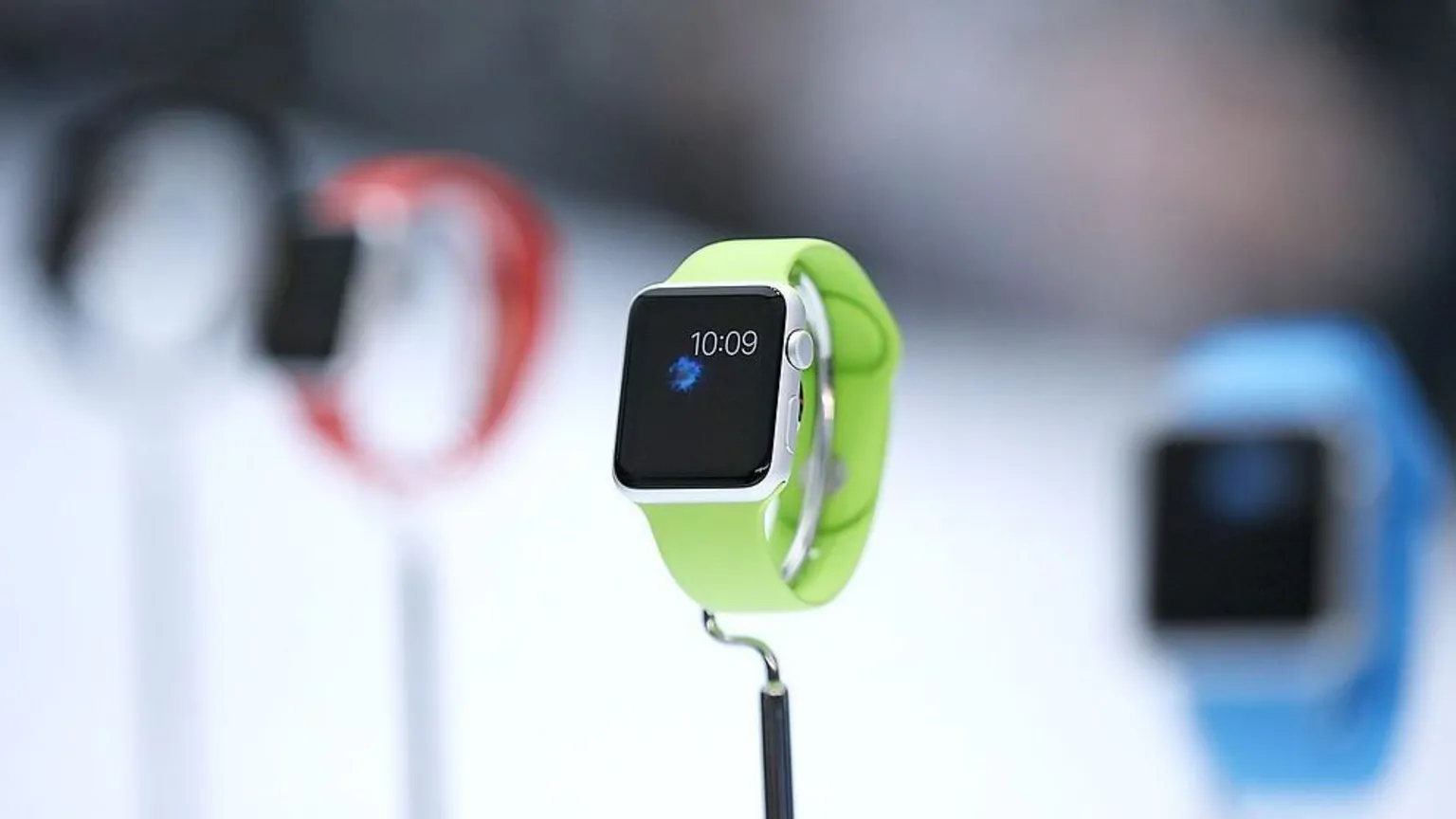

Apple must pay $5.7bn after jury finds haptics patent infringement

Apple must pay $5.7bn after jury finds haptics patent infringement

2 min read•Sep 29, 2026•
Elena Vasquez
Elena Vasquez

Apple has been ordered to pay $5.7bn after a US jury found it infringed haptics patents, first reported by Bbc. The award concerns vibration feedback in Apple devices such as the iPhone and Apple Watch, while Apple says it did not use Taction's technology and will appeal the jury's verdict.

Taction Technology, an audio firm that makes headphones and gaming headsets, alleged in 2021 that Apple infringed two patents issued to it in 2020. Haptics use vibrations to simulate touch, including feedback for actions such as receiving a message or pressing a button.

A San Diego judge ruled in 2023 that Apple had not infringed the patents. A federal appeals circuit later took up an appeal, leading to a September jury trial at the US District Court for the Southern District of California.

The case has moved from a no-infringement ruling to a $5.7bn damages order, but jurors did not find that Apple infringed willfully.

Apple says its Taptic Engine is fundamentally different from Taction's technology, and that Taction's own testing of Apple products during the trial confirmed the distinction. The Taptic Engine first debuted with Apple Watch in 2014, and Apple has since expanded haptics in its devices.

Apple has defended other similar lawsuits in recent years. In November 2025, a judge ordered it to pay $634m to medical technology firm Masimo after a jury found infringement of a patent for blood-oxygen reading technology.

Arizona appeals court vacates manslaughter sentence after AI video

An Arizona appeals court vacated the 10.5-year sentence of Gabriel Horcasitas while upholding his manslaughter conviction, first reported by Nytimes. The case returns to Maricopa County Superior Court for resentencing without the video, after judges found that it presented scripted statements as if the victim himself were speaking in court.

The three-judge panel said the video generated a likeness of Christopher Pelkey’s voice and appearance but did not reflect actual events. It found that allowing and relying on the video made the sentencing fundamentally unfair, and noted that no prior Arizona case had addressed the admissibility of such a depiction at sentencing.

The judges said a victim’s right to speak cannot override a defendant’s right to be sentenced on accurate, reliable information. They said the video collapsed the distinction between the family’s belief about what Pelkey would have said and Pelkey’s own voice and opinions.

The ruling distinguishes family members speaking about Pelkey from a generated likeness that appeared to speak for him.

Pelkey’s sister, Stacey Wales, presented the video during Horcasitas’s sentencing alongside victim-impact statements from family and friends. Wales wrote the script and said her husband and the couple’s longtime business partner helped create the video using Pelkey’s voice from a YouTube video and his face and torso from a funeral-service poster.

Judge Todd F. Lang praised the video as genuine, then imposed the maximum sentence of 10.5 years, more than the nine years prosecutors had sought.

Wales said nobody intended to make the court believe Pelkey was alive or that he had recorded the video before his death. She said she disagreed with the ruling and argued that families use slide shows, collages, hypothetical conversations and poetry to convey grief.

Wales compared the AI video with photography, saying it took 15 years of landmark cases around the 1860s before photography was widely accepted in courts.

The case returns to Maricopa County Superior Court for a new sentencing hearing without the AI-generated video.