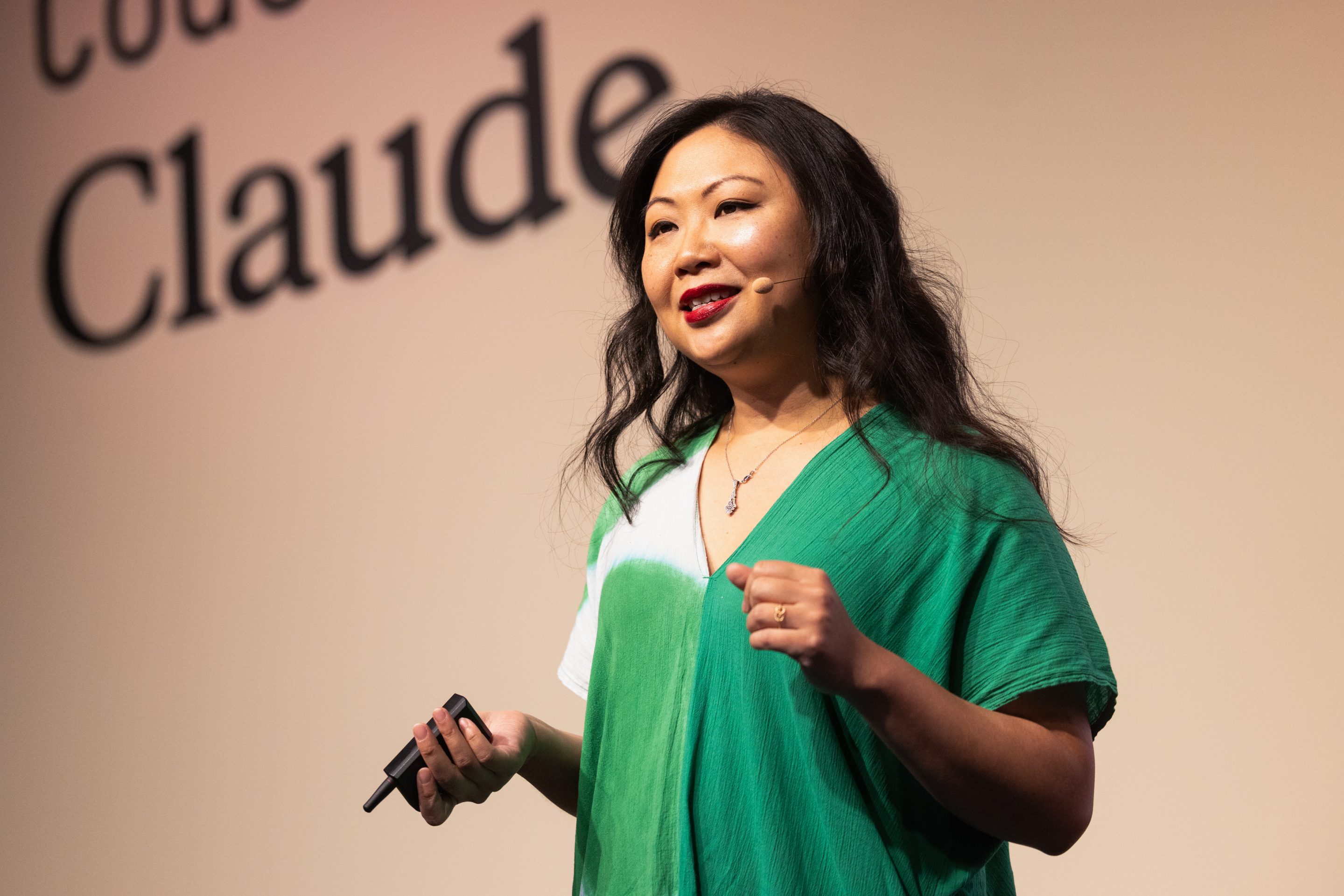

Anthropic’s engineering leader for its Claude Code product admitted that heavy reliance on AI coding agents has made team members feel isolated at work. The admission spotlights a growing morale problem across Big Tech as companies push deeper into AI while cutting human roles.
- What Happened
- Why It Matters
- Market Implications
- What This Means for the Industry
- Frequently Asked Questions
- Conclusion
What Happened
Fiona Fung, the engineering head of Anthropic’s Claude Code and Cowork teams, said on a recent episode of Lenny’s Podcast that the AI coding tool made employees’ work more solitary. “The other thing that we found interesting on the Claude Code team is, after a while, we felt it could start being a lonely experience because we all started just working with our agents so much,” she said.
To counter the isolation, Anthropic organized hackathons and pair programming lunches where employees share how they use Claude. Fung called both interventions successful. “When we do pairwise programming, we actually learn so much from each other,” she said. “Every time I watch someone work, I learn something myself as well.”
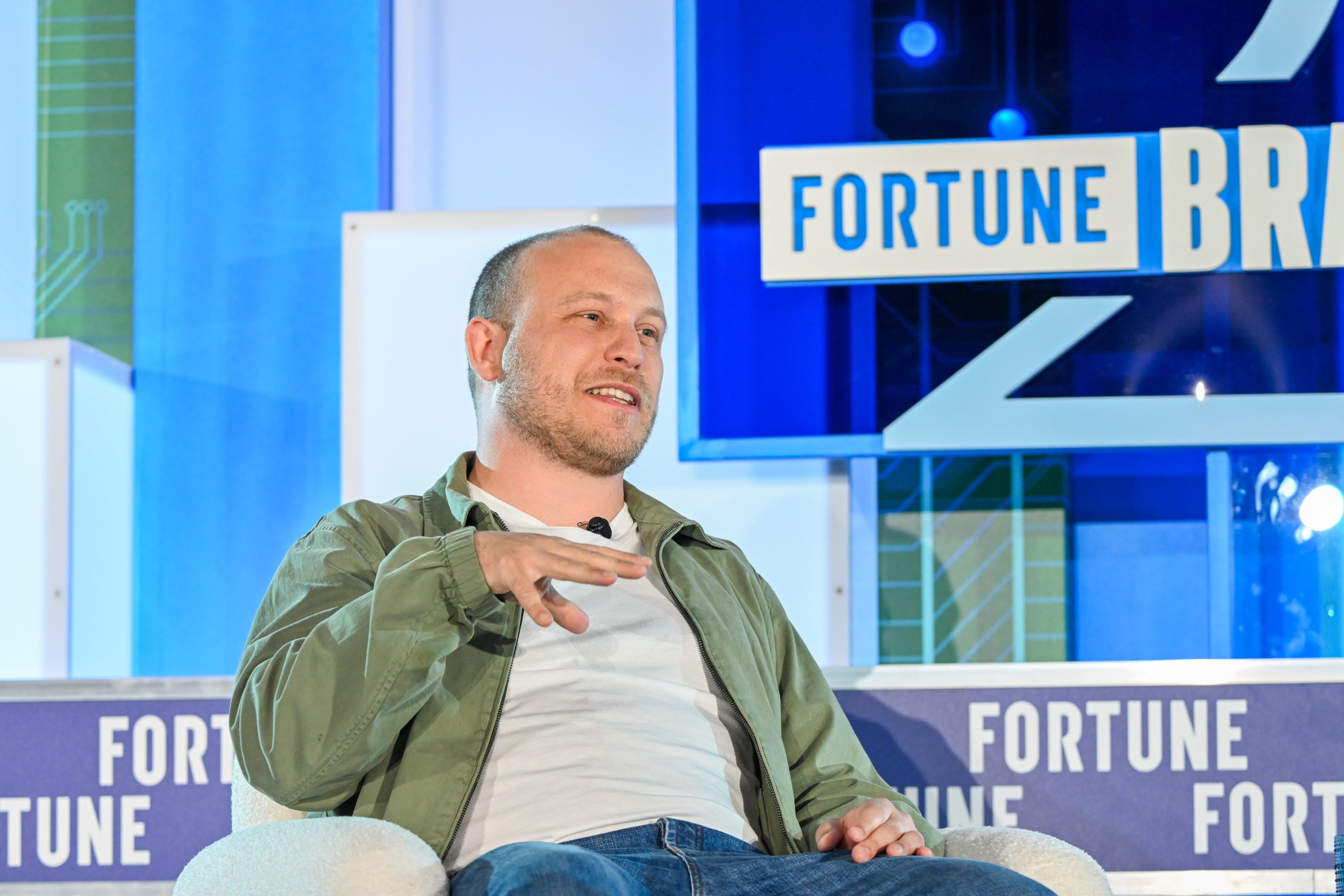
An Anthropic spokesperson said the company is tracking how its AI tools reshape collaboration. “We’re seeing engineers find new ways to learn from and build alongside one another, in what’s really an evolution of pair programming,” the spokesperson told Fortune. “Sharing how our own work is changing, including the hard parts, helps us build tools that best serve the people using them.”
Why It Matters
Fung’s comments reflect a broader crisis in the tech workforce. There have been roughly 120,000 tech layoffs in 2026 so far, nearly matching 2025’s total. Some companies, including Meta, which laid off 8,000 workers this year, have cited AI as a reason for reductions.
Surviving employees are grappling with anxiety and shifting work culture. On the anonymous workplace forum Blind, tech workers have described low morale following layoffs and geopolitical uncertainty. Some noted a growing reluctance to criticize leadership, which they fear stifles innovation. “The whole mood has changed,” Sunguk Moon, CEO of Blind, told the New York Times last month. “It went from personal career planning to mass anxiety. To users talking about how hard it is to stay motivated when they might lose their job very soon, maybe tomorrow.”
Meta’s own internal unrest illustrates the scale of the problem. In an internal email obtained by Wired, Meta CTO Andrew Bosworth called the company’s communication around restructuring its AI division “atrocious.” The memo followed frustration from the 6,500-person Applied AI team, who described their work as menial tasks with minimal colleague interaction. “We’ve undermined the trust you have that your specific expertise and contribution will be valued,” Bosworth wrote. He promised steps to make Meta “fun and enjoyable” again, including increased travel budgets and improved break-room snacks.
Market Implications
The loneliness and anxiety among AI engineers create a paradox for companies racing to deploy generative AI. Workers who design these tools are also among those most threatened by them. A Gallup report published this month found that tech workers who use AI at least monthly face a 6% layoff likelihood — but that rate triples to 18% among those who use AI less frequently.
Neil Thompson, a professor at MIT Sloan School of Management, told Fortune that restructuring is inevitable. “We know that as tools come in, it often restructures jobs: Certain tasks disappear, other tasks appear. That is a stressful time,” he said. “People don’t know what those new tasks are going to look like.”
Anthropic’s own internal research on “recursive self-improvement” — AI that improves itself — captured the tension. One employee said: “On days where everything works well, I can’t help but think nothing I do matters, everything is automated and better and faster than I ever will be.” Another worker called the experience disorienting.
Still, Anthropic touts productivity gains: Claude shipped more than 800 API error fixes in April, a task the company said would have taken a human four years. The company argued that humans remain in the “driver’s seat,” selecting the direction for AI models.
What This Means for the Industry
For investors and executives, the trade-off is clear: AI can deliver enormous efficiency gains, but at the cost of workforce morale and retention. Companies that fail to address the human side of AI adoption risk losing talent, suffering innovation slowdowns, and facing public backlash.
Competitors like Google, Microsoft, and OpenAI are all racing to embed coding agents into their developer tools, potentially replicating the same isolation problems. Early intervention — through team-building, reskilling programs, and transparent communication — may become a competitive differentiator.
Technology’s traditional “move fast and break things” ethos is partly to blame, according to Stanford professor Jeffrey Pfeffer. “The tech industry has said people are the most important asset, but they never act that way,” he told Fortune. “Many people still go into jobs believing that their employers care about them, and they are disappointed when they find that they don’t.”
The broader market takeaway: AI deployment is no longer just a technical challenge — it is an organizational and cultural one. Companies that treat it as purely a technology problem are already seeing cracks.
Conclusion
Anthropic’s candid admission that its own AI tool makes work lonely is a warning sign for the entire tech industry. As companies rush to integrate coding agents and other AI systems, they risk eroding the collaboration and camaraderie that drive innovation. The winners in this transition will be those that pair AI efficiency with deliberate human connection — not just better tools, but better work environments.