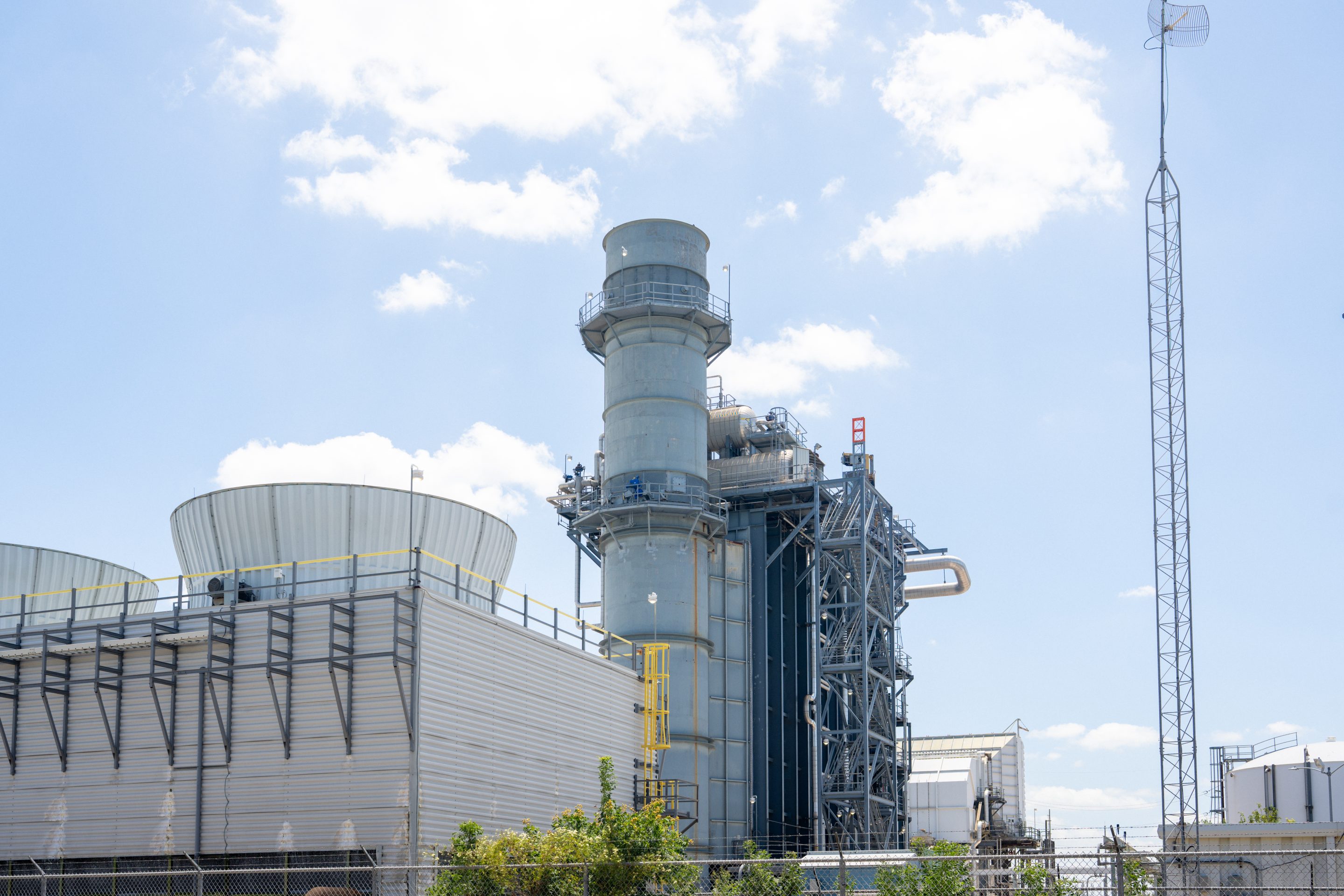

Anthropic is committing $3.4 billion to secure gas-fired generators for its data center operations, in a deal first reported by Fortune. The deal comes as Anthropic prepares for an IPO and seeks computing capacity for its AI models, while its filing warns natural-gas dependence could expose some planned facilities to volatile prices, pipeline constraints and supply disruptions.
The transaction covers 1.7 gigawatts of heavy-duty natural gas generators from OnePWR Solutions. Anthropic is taking over generator commitments OnePWR had previously made with Caterpillar, and the agreement includes engineering and construction capabilities needed to install the equipment.
The Financial Times described the transaction as the largest direct investment in power-generation equipment by an AI company.
Anthropic’s September S-1 describes Anthropic Direct, which lets it lease chips directly and place them in dedicated data centers on its behalf. The filing says the arrangement separates commitments for data-center capacity from commitments for the compute infrastructure inside those centers.
Data centers require longer lead times but represent a smaller fraction of total compute costs, the filing says, allowing Anthropic to secure capacity early and defer larger accelerator investments until its specific compute needs are more certain. That sequencing flexibility sits alongside a separate cost caveat: Anthropic may need to purchase long-lead-time power generation at prices above market rates.
The S-1 disclosed approximately $900.9 billion in aggregate committed spending on computing and infrastructure, including purchase commitments and lease agreements. About $451.6 billion is expected to be spent before 2030, while most remaining commitments extend through 2045. Another $70.7 billion is due within the 12 months following Sep. 30, according to the amended S-1 filed in November.
Anthropic disclosed that some planned data center facilities rely on dedicated natural gas-fired generation, exposing the company to fluctuations, pipeline capacity constraints and disruptions to natural gas supplies. It expects increased competition for natural gas supply and pipeline capacity in jurisdictions where behind-the-meter and on-site arrangements are feasible under applicable regulatory frameworks.
The generators are expected to become available in the next two years.