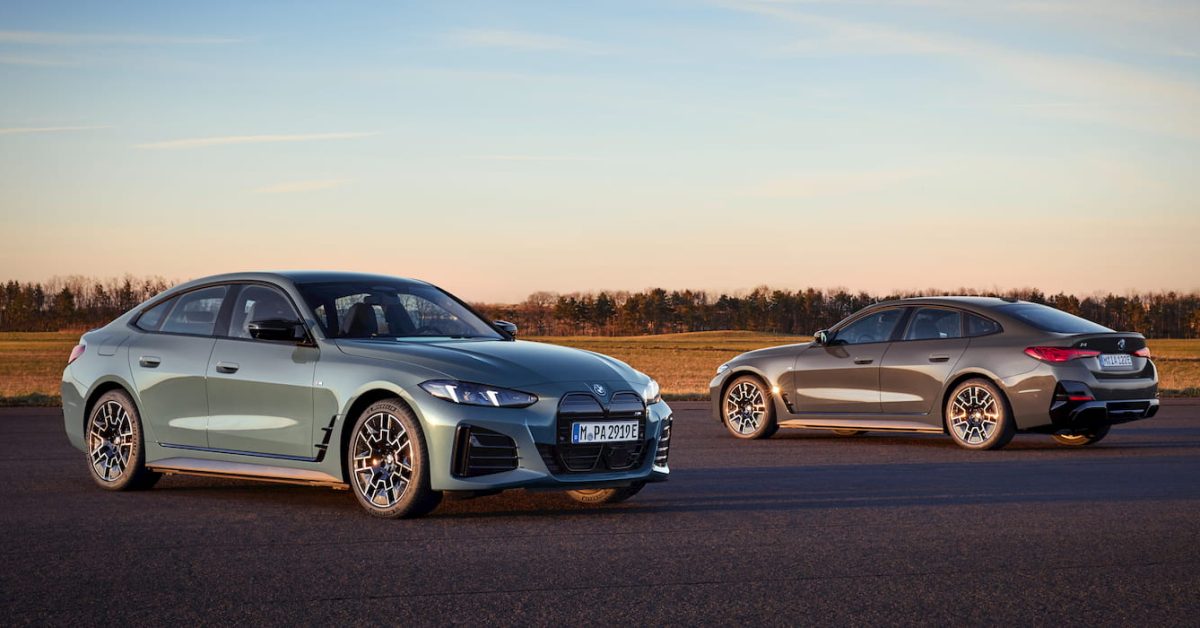

Survey finds a gap between daily driving needs and EV range preferences

Survey finds a gap between daily driving needs and EV range preferences

2 min read•Oct 10, 2026•
David Kim
David Kim

A BMW Group survey found that 42% of Americans want at least 300 miles of EV range before considering a purchase, first reported by Electrek. Yet 73% of US adults say 25 to 75 miles covers their daily routine, highlighting a gap between reported daily needs and desired buying range.

The range preference reflects more than routine mileage: road trips, unexpected detours, and questions about when and where to charge also factor into the decision. 18% want 400 miles or more.

Big Village conducted the online survey of 1,005 US adults September 11–13, 2026, and weighted the results to represent the US adult population.

Faster charging also drew interest: adding around 150 miles in 10 minutes would make 53% more likely to consider an EV. The figure was 70% among Gen Z and 65% among millennials.

Overall, 68% say they would consider going electric, with cheaper ownership and operating costs the biggest reason cited. Better performance, advanced technology, and lower emissions were also reasons.

Purchase price was the main barrier for 51%, followed by battery longevity or replacement costs at 31%. 55% would consider a used or certified pre-owned EV if it saved them enough money.

Home backup power during an outage would make 57% more likely to consider an EV.

Plug-in vehicles reach 32% of global registrations in September

Plug-in vehicles reached 32% of global registrations in September, first reported by Cleantechnica. Battery-electric vehicles accounted for 23% of registrations and set a record at 1.54 million, up 8% year over year, while plug-in hybrids fell 9%; year to date in 2026, BEVs were up 12% and PHEVs down 10%.

Global plug-in registrations rose 3% year over year to around 2.16 million in September, close to the all-time record of 2.17 million set last December.

Year to date, plug-in registrations were up 4% year over year: BEVs grew 12%, while PHEVs fell 10%. Their combined share for 2026 stood at 25%, with BEVs at 18% and PHEVs at 7%. The overall growth rate therefore hides a clear split between the two categories.

The Tesla Model Y led the model rankings with a record 165,000 registrations, up 17% year over year. Tesla Model 3 came second with 65,000, enough to move ahead of Geely Xingyuan and BYD Song despite a 4% annual decline.

BYD Song finished fourth at 54,519 registrations, up 19% and the fastest growth rate among the top five. An export push and the new-generation Ultra body helped lift the model.

At the make level, Tesla had a record 232,000 registrations, up 9% year over year. Toyota reached 61,332 for its fourth record in a row, finishing ahead of Volkswagen’s year-best 58,000 to become September’s best-selling legacy make.