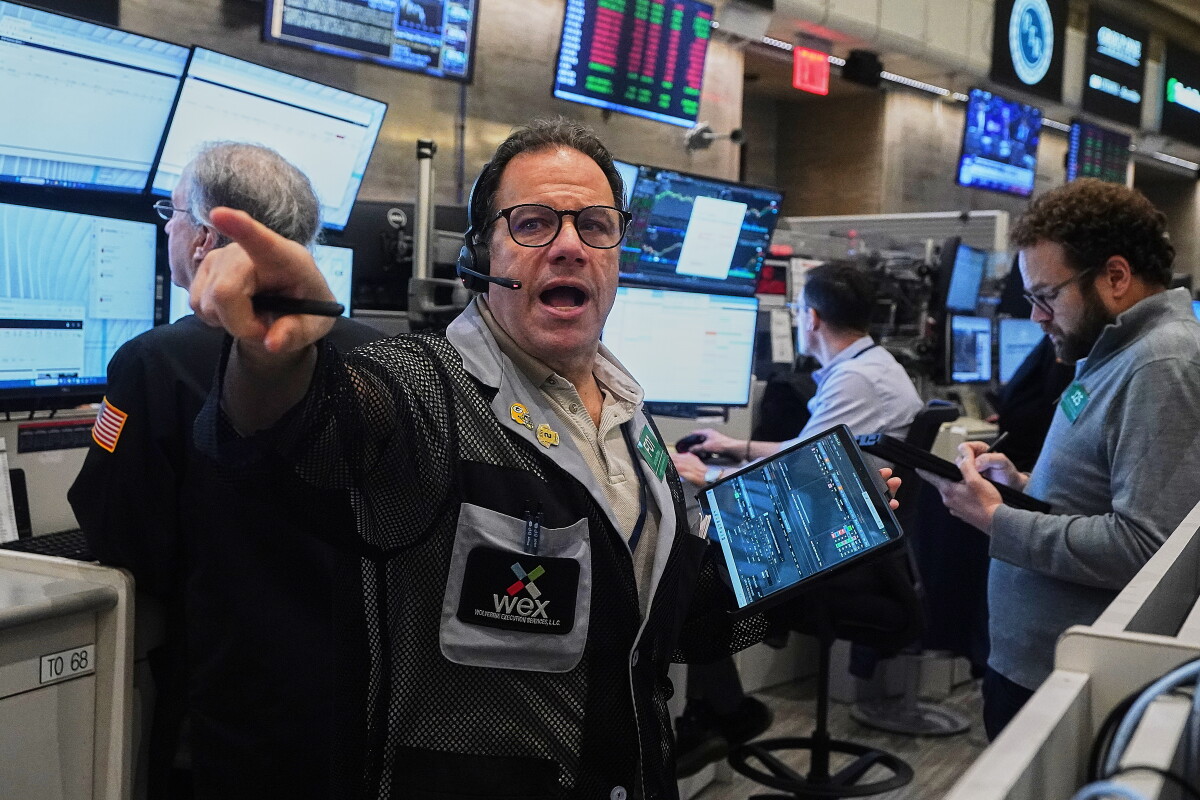

AI-linked stocks pulled markets lower worldwide on Thursday as oil prices jumped, in a sell-off first reported by Theguardian. In the US, the S&P 500 fell 1.2% for its worst session since July even as two-thirds of its constituent stocks rose, showing how losses in influential technology shares outweighed gains elsewhere.
The Nasdaq composite fell 2.6%, while the Dow Jones Industrial Average added 11 points, or less than 0.1%. Nvidia fell 4.4%; as Wall Street’s largest company by total value, it was the single strongest force pulling the S&P 500 lower.
Investors have worried that borrowing to build datacenters and buy more AI chips has become expensive. They have also questioned whether AI share prices climbed too far during a years-long frenzy, even as companies in the sector continued to report growth.
Better-than-expected results did not protect several stocks. Lam Research fell 11.8% despite summer profit and revenue slightly above analysts’ expectations; Meta Platforms dropped 7%, shedding tens of billions in market value, after revenue beat expectations but profit fell short. Tesla fell 3.1% after its summer profit topped forecasts while revenue came in below them.
Meta also said it was creating a new class of stock to raise money for AI investments and other expenses. CoreWeave, which has borrowed money to buy Nvidia AI chips that it rents to customers over the cloud, fell 10.1% amid debt concerns.
The retreat began in Asia: South Korea’s Kospi fell 3.5%, Hong Kong’s Hang Seng dropped 3% and Japan’s Nikkei 225 sank 2.7%. Brent crude rose 4% to $113.17 a barrel, its highest level in five months and up from less than $97 at the start of the month, amid uncertainty over when the war with Iran would allow the global energy industry to return to normal.
Two-thirds of S&P 500 stocks rose, and gains for Procter & Gamble, Lockheed Martin and CSX helped limit the index’s losses. The 10-year Treasury yield fell to 4.97% from 5.13% late Wednesday as investors bought US government bonds in search of safer assets.