

Verdict: For any modern enterprise service task, the RobotEra Q5 decisively outperforms the UBTECH Walker — it offers a 20 kg payload (10x the Walker’s 2 kg), 14.4 km/h top speed (8x faster), 55 degrees of freedom, and 4+ hours of runtime. The Walker retains value only as a legacy research platform for academic labs that can secure a unit near its original $30,000 price, but it cannot compete with the Q5’s capabilities. If you can purchase through RobotEra’s inquiry‑based sales, the Q5 is the clear choice.
The UBTECH Walker, launched in 2018, was one of the first commercially aimed full‑size humanoids, carrying a transparent $30,000 price tag that made it a reference point for academic labs. The RobotEra Q5, by contrast, is a younger, higher‑spec service robot with undisclosed enterprise pricing, a 20 kg payload, and a sprint speed of 4 m/s, squarely targeting hospitality, retail, and healthcare. This article dissects every available specification, from price and payload to real‑world deployment track records, so you can decide which bipedal platform fits your organization — if either is still attainable in 2026. Both robots are examined as‑is: the UBTECH Walker is discontinued but occasionally found on the secondary market, while the RobotEra Q5 is available via enterprise inquiry.
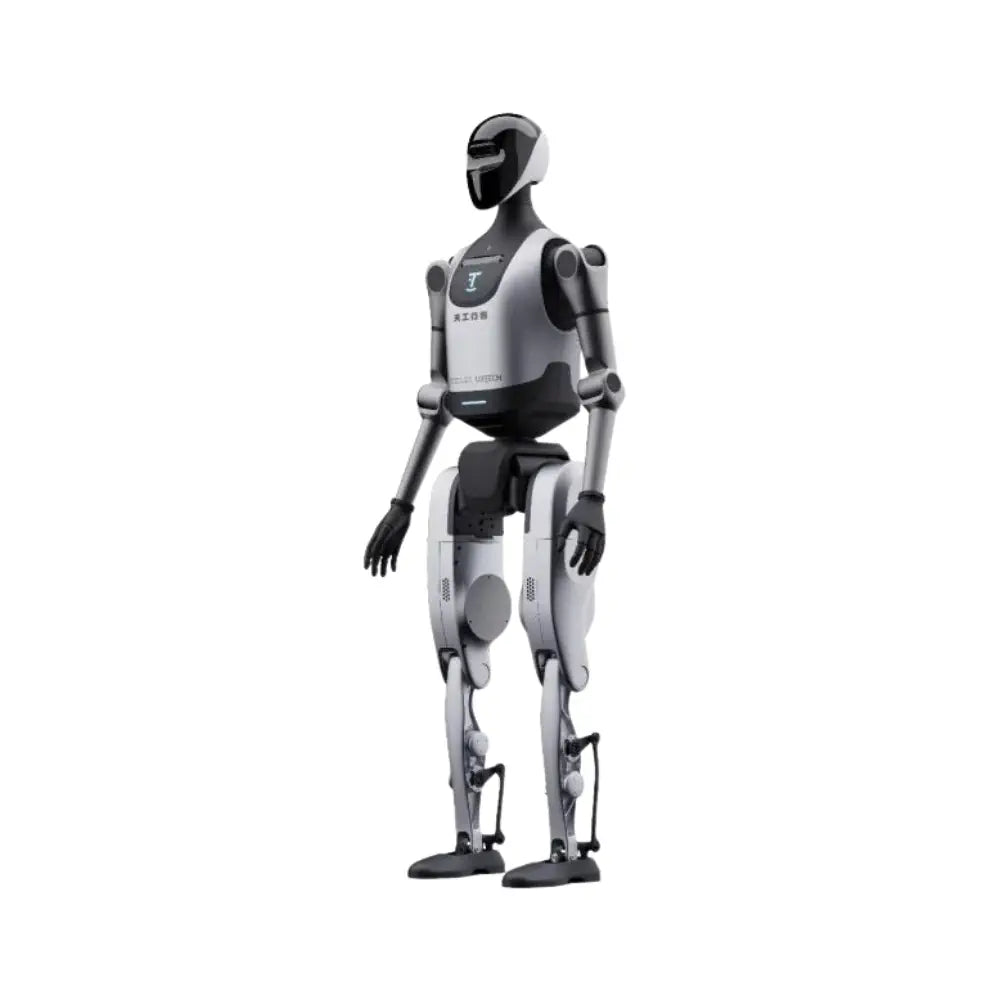
Quick Verdict: Who Wins?
- Best overall value: RobotEra Q5 — unmatched speed, payload, and runtime in a still-available platform.
- Best for enterprise service: RobotEra Q5 — built for hospitality, retail, and healthcare with a 20 kg payload and over 4 hours of battery life.
- Best for legacy research / education: UBTECH Walker — known $30K price point, established SDK, and existing academic user base if a used unit can be sourced.
- Best budget pick: UBTECH Walker (secondary market) — if found below its original MSRP, it offers a full‑sized humanoid for teaching and basic locomotion research.
UBTECH Walker vs RobotEra Q5: Specs Compared
The table below lays out every published technical figure for the two robots. Numbers not confirmed by the manufacturer are marked as “Undisclosed” or “N/A” — no estimates are fabricated.
| Specification | UBTECH Walker | RobotEra Q5 |
|---|---|---|
| Price (new) | $30,000 (MSRP at launch) | Undisclosed (enterprise inquiry) |
| Height | 1.45 m | 1.65 m |
| Weight | 77 kg | 65 kg |
| Payload | 2 kg | 20 kg |
| Max speed | 1.8 km/h (0.5 m/s) | 14.4 km/h (4 m/s) |
| Battery life | 2 hours | >4 hours |
| Degrees of freedom | 36 | 55 |
| IP rating | Not published | Not published |
| Onboard compute | Not published | Not published |
| Sensors / LiDAR | Not published | Not published |
| SDK languages | Not published (likely C/C++ via UBTECH toolchain) | Not published |
| ROS2 support | Not published | Not published |
| Autonomy / fleet software | Not published | Not published |
| Safety certifications | Not published | Not published |
| Release year | 2018 | Undisclosed |
| Availability | Discontinued (secondary market only) | Enterprise inquiry |
| Warranty / support | No longer offered by manufacturer | Determined per contract |
The delta that jumps off the page is mobility and payload: the Q5 walks at 4 m/s — faster than a human jog — and lifts 20 kg, while the Walker is limited to a slow 0.5 m/s walk and a 2 kg payload that barely supports a tablet. For any interactive service role, the Q5’s numbers blow the Walker out of the water.
UBTECH Walker: Classic Bipedal Research Platform
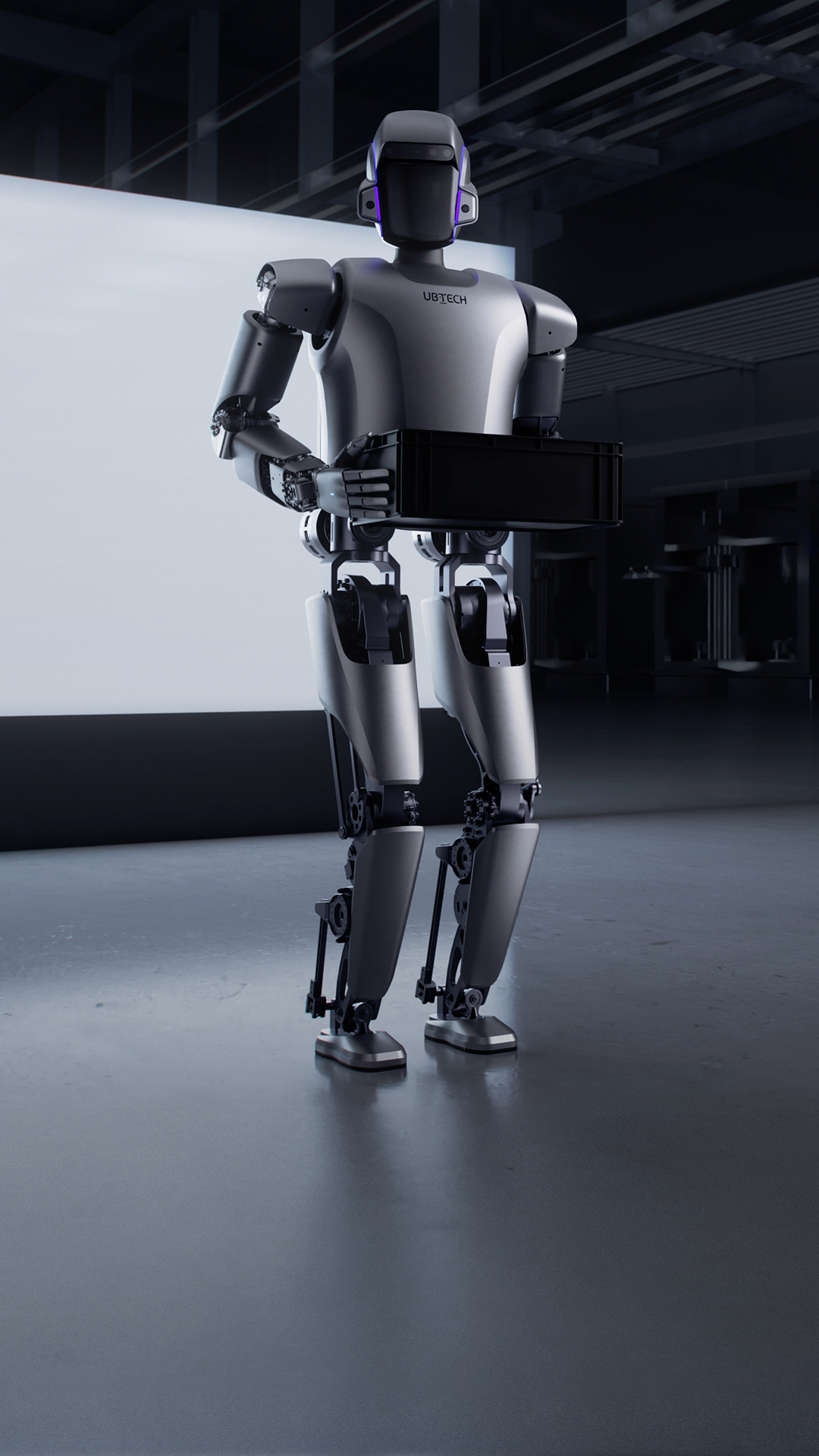
Released in 2018 by UBTECH Robotics (Shenzhen, China), the UBTECH Walker was a pioneer in the affordable humanoid category. Standing 1.45 m tall and weighing 77 kg, it offered 36 degrees of freedom and a relatively modest 2‑hour battery life. The robot was priced at $30,000 — an eye‑catching sum in an era when most full‑size humanoids cost over $100,000.
The Walker’s headline specs — 2 kg payload and 0.5 m/s walking speed — reflect its first‑generation hardware. It was aimed at university labs and early‑adopter developers, and it shipped with UBTECH’s own software stack. While the original model is now discontinued, used units may still circulate on the secondary market. In 2026, the Walker’s main value is as a teaching and gait‑research platform, not as a commercial helper.
RobotEra Q5: The Modern Service Humanoid
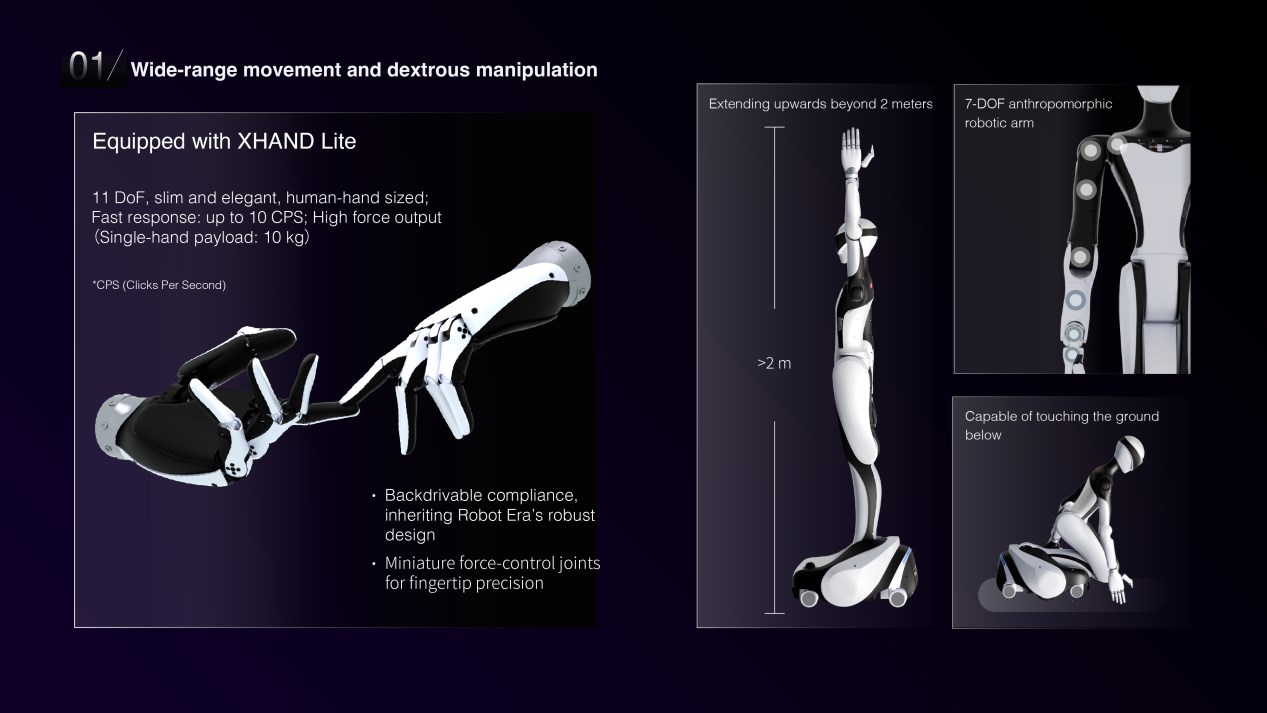
The RobotEra Q5 comes from a different design era. Built by RobotEra (also China‑based), it was purpose‑moulded for customer‑facing service roles: healthcare, retail, hospitality, and other high‑interaction environments. At 1.65 m and 65 kg, it is taller and lighter than the Walker, yet it packs 55 degrees of freedom, a swift 4 m/s top speed, and a best‑in‑class 20 kg payload that lets it carry trays, parcels, or heavier customer deliveries.
Battery life exceeds 4 hours, enough for a full shift, and the speed advantage means the Q5 can traverse a large hotel lobby or hospital corridor in seconds, not minutes. The Q5’s price is not publicly listed — RobotEra handles sales through enterprise inquiry, which likely means per‑contract pricing based on fleet size and service agreements. Despite the opaque pricing, the Q5 is an available product that any qualified enterprise can acquire.
Price & Total Cost of Ownership
Walker’s $30,000 sticker is clear and once made it the first choice for labs on a grant. However, the unit is discontinued, so any purchase today would be a used‑market gamble. No three‑year support plan exists, and spare parts remain uncertain.
RobotEra Q5’s total cost of ownership is harder to pin down. Because the base price is undisclosed, a realistic 3‑year TCO must include the purchase cost, any mandatory maintenance contract, software updates, and potential operator training. Comparable enterprise humanoids in 2026 typically range from $50,000 to $150,000 for a full‑stack deal, so a similar bracket is plausible for the Q5.
Winner: RobotEra Q5 — despite the opaque pricing, it is the only platform you can still buy new with a support contract, making its TCO calculable and insurable.
Performance & Specs
Payload
Walker’s 2 kg payload limits it to holding a small tablet or carrying a single drink. Q5’s 20 kg is industrial‑grade for service roles: it can carry grocery bags, deliver medical supplies, or hoist commercial equipment.
Winner: RobotEra Q5 — a 10× advantage in payload changes the entire use‑case envelope.
Speed
Walker’s 1.8 km/h (0.5 m/s) is a deliberate, shuffle‑like gait. The Q5’s 14.4 km/h (4 m/s) matches a human’s fast walk or light jog. In a dynamic hospital or retail floor, this speed difference translates to drastically shorter task cycles.
Winner: RobotEra Q5.
Battery Life
The Q5’s >4‑hour runtime doubles the Walker’s 2‑hour limit. This allows a single shift without a battery swap, a fundamental requirement for commercial service.
Winner: RobotEra Q5.
Degrees of Freedom
Walker’s 36 DOF are concentrated in its arms and legs, giving it basic manipulation and locomotion. Q5’s 55 DOF likely extend to a more articulated torso, wrists, and possibly a dexterous hand, enabling finer object interaction. The extra degrees are a direct benefit for service tasks like pouring a drink or opening a door.
Winner: RobotEra Q5.
Software & SDK Ecosystem
Neither manufacturer publishes a detailed SDK or ROS2 compatibility statement for these models. UBTECH historically offered a development toolchain for the Walker, likely C++‑based with simulation support, and some academic papers reference ROS integration. RobotEra’s Q5, being a newer platform, probably ships with a REST API or native SDK catering to enterprise developers, but no public documentation is available.
Winner: Insufficient public data — both platforms are black boxes without buying‑in. Prospective purchasers should request API documentation and ROS2 support status during enterprise inquiry.
Autonomy & Sensors
Neither robot ships with a publicly specified sensor suite. The Walker was equipped with basic cameras and likely ultrasonic sensors for basic obstacle avoidance; the Q5, as a service robot, is expected to carry depth cameras, LiDAR, and microphone arrays, but confirmation is lacking. Without an explicit sensor list, any comparison remains speculative. Enterprises should demand a full sensor and compute spec sheet when evaluating the Q5.
Winner: Cannot determine — critical information is undisclosed.
Build Quality & Durability
Both robots occupy indoor environments. Walker’s 77 kg steel‑based frame was reasonably robust for research, and its slow speed reduces wear. The Q5’s 65 kg chassis must withstand 4 m/s movements and frequent 20 kg loads, implying a stronger, lighter structure — possibly using carbon composites or advanced alloys. Neither carries an IP rating, so they are strictly indoor machines.
Winner: RobotEra Q5 — designed for daily commercial use, it likely surpasses the research‑grade Walker in fatigue life and component durability.
Which Should You Buy? UBTECH Walker vs RobotEra Q5 by Use Case
Choose the UBTECH Walker if… - You are a university robotics lab that needs a low‑cost, full‑size humanoid for gait studies or kinematics research, and you can locate a used unit near $30,000. - Your work does not require carrying payloads beyond a tablet or sensor. - You have the in‑house capability to maintain a discontinued robot without manufacturer support.
Choose the RobotEra Q5 if… - You are deploying a humanoid in a customer‑facing commercial environment (hospitality, healthcare, retail) where speed, payload, and multi‑hour shifts matter. - You need a robot that can carry and deliver items up to 20 kg. - You require a support contract, ongoing firmware updates, and enterprise‑grade safety warranties.
Choose neither if… - You need proven, long‑term availability data (both platforms have limited public deployment records). - You require a robot with a published, transparent price list and an off‑the‑shelf ROS2 SDK that you can audit before purchase.
Real-World Deployments & Track Record
Neither manufacturer has published a detailed deployment list. The UBTECH Walker was used in several university research labs, and UBTECH demoed the robot at CES and other trade shows, but specific long‑term operating hours or named customer sites are not publicly documented. The RobotEra Q5’s website claims deployments in healthcare, retail, and hospitality, yet no named deployment or unit‑hour figure is available as of June 2026. This lack of transparency is the single largest risk for both platforms. Buyers should request case studies with verifiable references during the sales process.
Support, Warranty & Availability
UBTECH Walker is discontinued; no manufacturer warranty or support is available. Used units are sold “as‑is” and likely require self‑maintenance, including battery sourcing and custom‑machined parts.
RobotEra Q5 is available via enterprise inquiry. Warranty terms, SLA response times, and spare‑parts availability are determined per contract and are not publicly disclosed. Potential buyers must negotiate post‑sale support explicitly. The opaque model is typical for commercial humanoids, but it demands a rigorous procurement review.
Comments