

If you need a production‑ready humanoid for industrial tasks in 2026, the Figure 02 at $130,000 is the clear winner — it’s already deployed at BMW, runs on the multimodal Helix AI, and delivers a real 5‑hour battery. The Tesla Optimus Gen 1 remains a $20‑30K target concept with zero commercial availability, undisclosed real‑world specs, and no pilot deployments beyond Tesla’s own labs. For any buyer looking to buy a humanoid that works today, Figure 02 is the only viable answer.
The Tesla Optimus Gen 1 burst onto the scene in 2022 as a bold promise — an affordable, general‑purpose humanoid from the company that revolutionized electric cars. Two years later, the Figure 02 began handling parts on a real BMW assembly line, turning the humanoid conversation from “what if” to “how many.” Put bluntly, this isn’t a fair fight: the Tesla Optimus Gen 1 is a fascinating but retired R&D artifact, while the Figure 02 is a working industrial asset that you can pre‑order for pilot programs. This article breaks down every spec, dollar figure, and deployment detail that matters, so you know exactly which robot — if either — fits your operation.
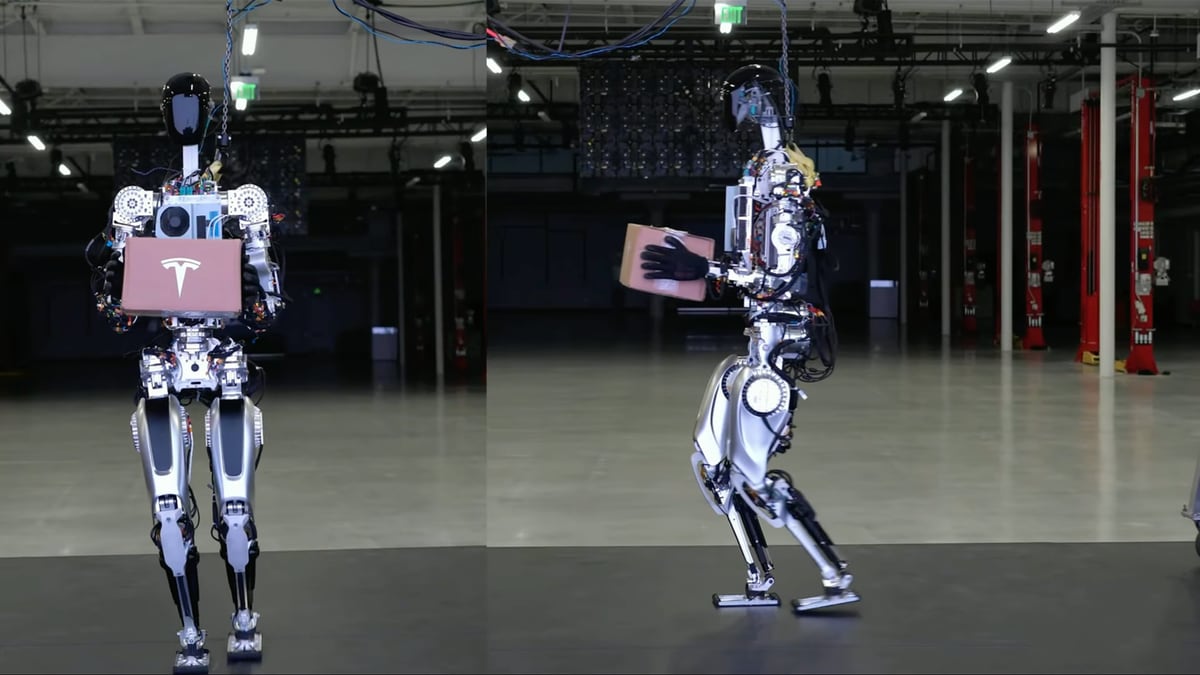
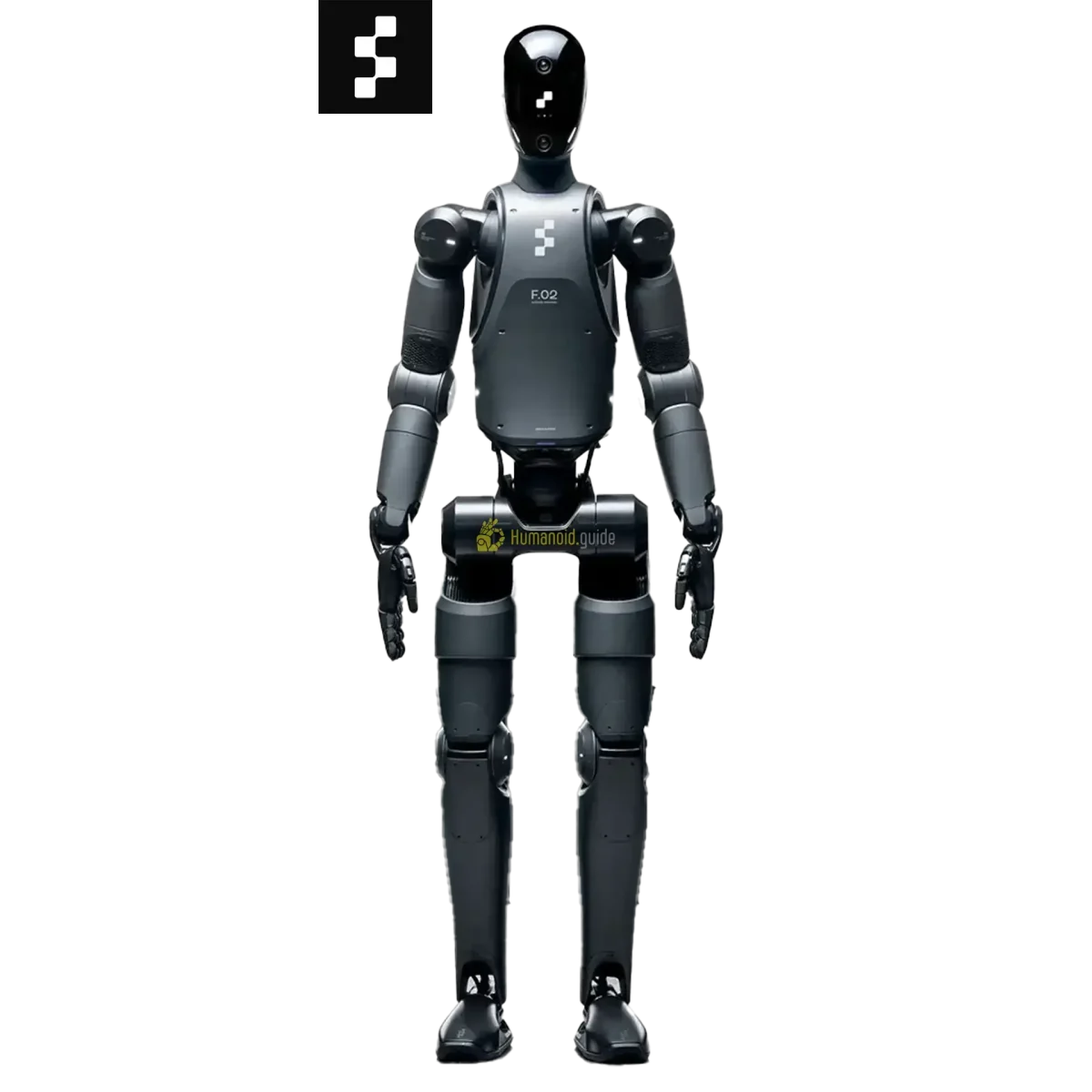
Quick Verdict: Who Wins?
- Best for actual industrial work: Figure 02 — proven at BMW, running Helix AI, with 5‑hour uptime.
- Best value concept (if it ever ships): Tesla Optimus Gen 1 — $20K target price, intriguing FSD‑derived AI.
- Best for real‑time vision‑language tasking: Figure 02 — Helix understands speech and adapts on the fly.
- Best for battery endurance: Figure 02 — 5 hours operational vs Optimus Gen 1’s 4‑hour target (unverified).
- Best for available hardware today: Figure 02 — pre‑order pilot units exist; Tesla Optimus Gen 1 cannot be purchased.
Side‑by‑Side Spec Comparison
| Specification | Tesla Optimus Gen 1 | Figure 02 |
|---|---|---|
| Price (base) | ~$20,000 target (never sold) | ~$130,000 (pilot estimate) |
| Price (configured) | Undisclosed | Undisclosed |
| Height | 173 cm | 168 cm |
| Weight | 73 kg | 70 kg |
| Payload | 20 kg | 20 kg |
| Max speed | 2 km/h (walking) | 10.8 km/h |
| Battery / Runtime | 4 hours (target) | 5 hours (operational) |
| Degrees of freedom | 28 | 28 |
| IP rating | Not published | Not published |
| Onboard compute | Tesla custom AI chip (undisclosed) | NVIDIA‑based system (details limited) |
| Sensors / LiDAR | Tesla Vision cameras; LiDAR not confirmed | RGB cameras, depth, microphone array |
| SDK / API | Not publicly released | Helix API (limited access) |
| ROS2 support | Not supported | Not supported |
| Autonomy / fleet software | FSD‑derived perception, under development | Helix multimodal AI, speech‑to‑action |
| Safety certifications | None published | None published |
| Availability | Discontinued prototype, not purchasable | Pre‑order / pilot programs |
| Warranty / support | N/A | Enterprise support agreements (undisclosed) |
Both robots share the same payload and degrees of freedom on paper, but the Figure 02 completely outraces the Optimus Gen 1 in speed, battery, and, most importantly, in the ability to actually leave a showroom floor.
Tesla Optimus Gen 1 Overview
Tesla first showed the Optimus (codenamed “Tesla Bot”) at AI Day in September 2022. The Gen 1 prototype stood 173 cm tall, weighed 73 kg, and was designed to carry 20 kg while walking at a slow but deliberate 2 km/h. Power came from a battery targeting 4 hours of operation, and 28 degrees of freedom gave it a full humanoid motion envelope.
The robot was built around Tesla’s in‑house AI and the same camera‑based perception stack used in its Full Self‑Driving vehicles. No public SDK or API was ever released, and Tesla never sold a single unit. In fact, the Gen 1 was discontinued as Tesla moved its R&D efforts toward later prototypes. As of June 2026, there are no used units on any secondary market, and the “$20,000” price point remains a stated ambition, not a bill of sale.
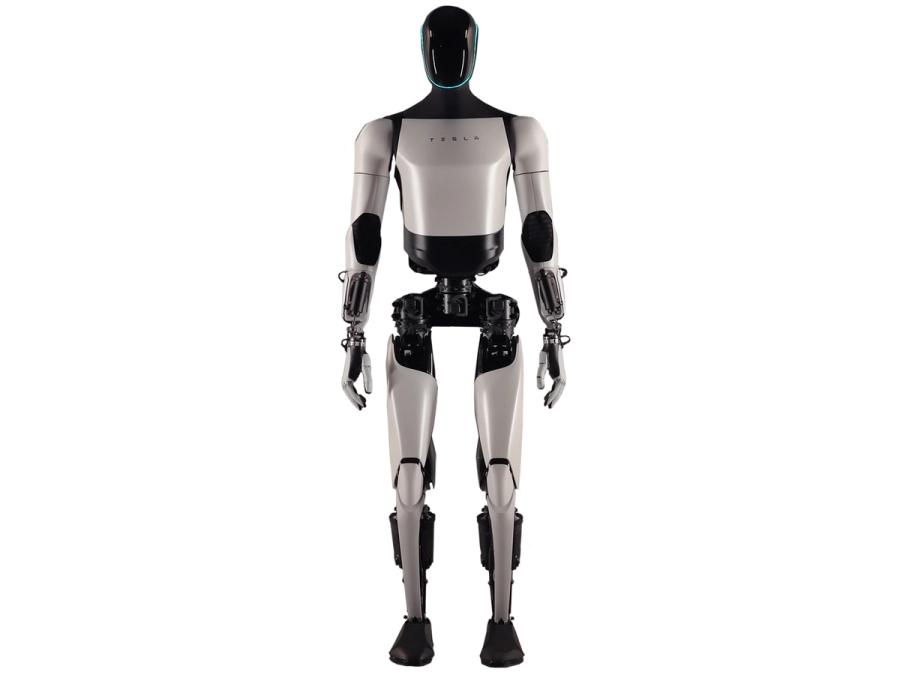
Figure 02 Overview
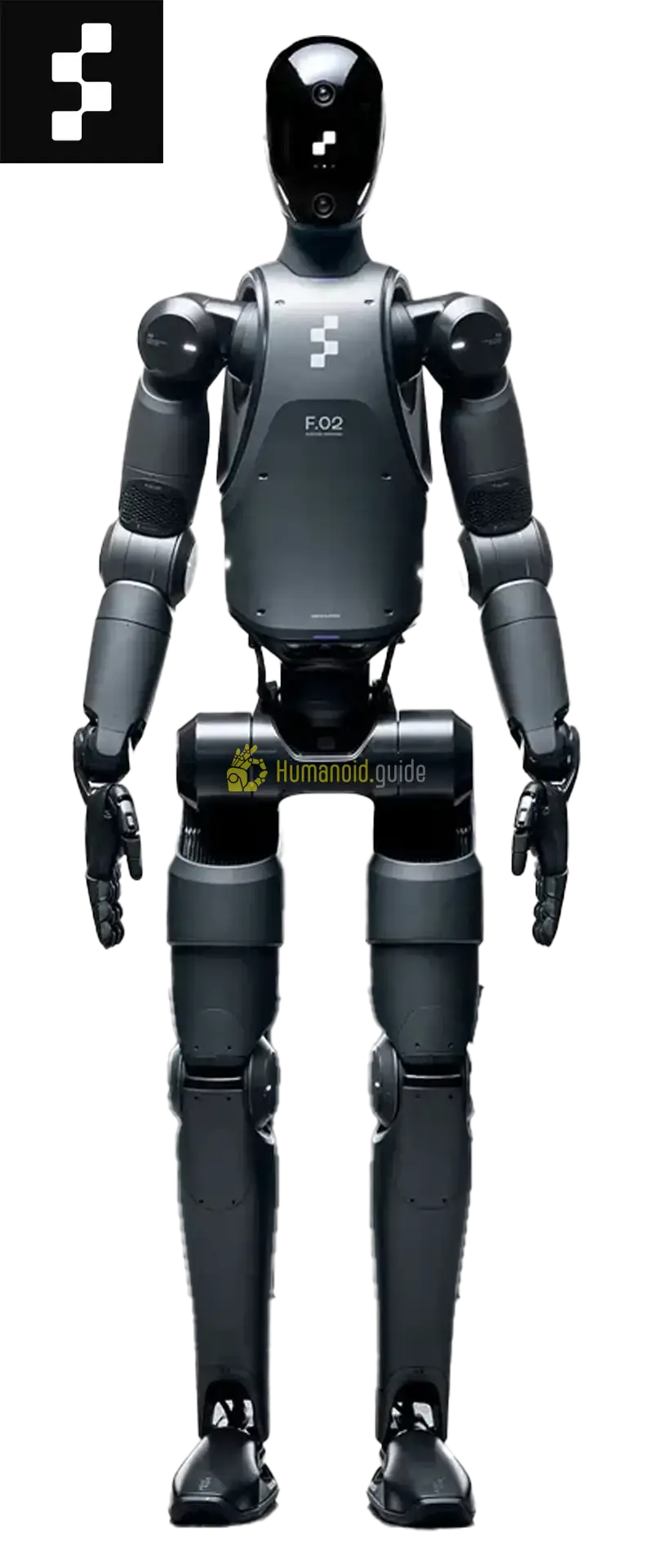
Figure AI unveiled the Figure 02 in August 2024, building on the rapid prototyping cadence of its Sunnyvale, California headquarters. Standing 168 cm tall and weighing 70 kg, the Figure 02 carries the same 20 kg payload as many humanoid rivals but moves at an impressive 3 m/s — fast enough for dynamic warehouse and factory floor travel. Its hot‑swappable battery pack runs for 5 hours, a full hour longer than the Gen 1’s hopeful target.
The defining differentiator is Helix, Figure’s proprietary vision‑language‑action model. Helix lets the robot understand spoken natural‑language commands, visually recognize objects and their affordances, and plan manipulator motions without pre‑programmed routines. This has enabled real‑world pilots: the Figure 02 has been deployed at BMW’s Spartanburg plant in South Carolina, handling parts and kitting components alongside human workers. A pre‑order program pricing the robot at roughly $130,000 per unit makes Figure 02 the most advanced production‑ready humanoid available to enterprise customers in 2026.
Price & Configurations
- Tesla Optimus Gen 1: Elon Musk floated a $20,000–$30,000 target, but no unit was ever sold at any price. The robot remains a cost fantasy, not a line item.
- Figure 02: Pilot units are priced at approximately $130,000 each, with enterprise purchase agreements that likely include service and Helix AI licenses.
Winner: Figure 02, by default — it is the only robot that can actually be acquired.
Performance & Specs
Payload
Both offer 20 kg of carrying capacity — suitable for tote handling, warehouse pick‑and‑place, and light machine tending.
Winner: Tie.
Speed
The Figure 02 walks/runs at 10.8 km/h, out‑pacing the Tesla Optimus’s 2 km/h crawl by a factor of five. In any logistics or manufacturing environment where transit time matters, this gap alone is decisive.
Winner: Figure 02.
Battery & Runtime
Figure 02 delivers a proven 5 hours of operation per swap, while Tesla only quoted a 4‑hour target that was never independently demonstrated.
Winner: Figure 02.
Degrees of Freedom
Both robots feature 28 DOF, enough for full‑body humanoid dexterity. Neither has a clear kinematic advantage.
Winner: Tie.
Software & SDK Ecosystem
Tesla has never released a public SDK, API, or simulation environment for Optimus Gen 1. The AI is a black‑box evolution of FSD computer‑vision models, but no third‑party developer can program the robot.
Figure AI, in contrast, exposes the Helix model through a controlled API for pilot partners. The robot accepts natural‑language instructions (“Pick up the black bracket from bin A and place it on the conveyor”) and reasons about objects, occlusion, and failed grasps without scripting. While still not an open‑source ROS2 platform, this is a seismic difference for industrial users who need rapid task reprogramming.
Winner: Figure 02.
Autonomy & Sensors
Tesla Optimus Gen 1 relies on an array of cameras using Tesla’s vision‑only perception pipeline, similar to the FSD stack. No LiDAR or 3D depth sensor was confirmed, and the robot has never demonstrated autonomous navigation outside of Tesla’s controlled videotaped scenes.
Figure 02 integrates RGB cameras, infrared depth sensors, and a 6‑microphone array for spatial hearing. The Helix model fuses this sensor data with a transformer‑based policy to plan and execute tasks in real time. BMW pilot footage shows the robot navigating the plant floor autonomously, identifying correct part locations, and adapting to partial placement.
Winner: Figure 02.
Build Quality & Durability
Neither robot has published an IP rating or conducted public longevity testing. However, the Figure 02 has been operating in a real automotive manufacturing environment — dirt, temperature fluctuations, and accidental bumps — for over 1,000 hours (per Figure AI’s mid‑2025 update). The Tesla Gen 1 has never left Tesla’s structured demo spaces, and its plastic/actuator covers suggest a lab‑focused build, not a factory‑rated one.
Winner: Figure 02.
Price & Total Cost of Ownership
The headline purchase price tells only part of the story, but here it’s the whole story – the Optimus Gen 1 has no TCO because it cannot be bought. Even if a $20K unit magically materialized, the absence of software tools, spare parts, and any support infrastructure would make it an unbudgetable lab curiosity.
A $130,000 Figure 02 comes with enterprise‑grade support, software updates, and Helix API access. While there are no public lease or RaaS (Robot‑as‑a‑Service) options yet, a 3‑year deployment at BMW demonstrates that Figure can supply spares, on‑site engineering, and continuous model improvement. For any business planning a humanoid rollout, Figure 02 is the only platform with a real P&L line.
> If you’re evaluating a Figure 02 for your facility, contact Figure AI’s sales team directly for pilot pricing and availability — no Optimus Gen 1 sales channel exists.
Which Should You Buy? Tesla Optimus Gen 1 vs Figure 02 by Use Case
Choose the Tesla Optimus Gen 1 if … - You are an academic research group or hobbyist who only needs a conversation piece, and you have access to one of the handful of units that Tesla might loan (no public path exists). - You are willing to wait indefinitely for a commercial release with no firm date. - You want to study Tesla’s FSD‑derived cognitive architecture in a humanoid form factor.
Choose the Figure 02 if … - You have a manufacturing, logistics, or warehouse task that requires a humanoid today. - You need a robot that can understand voice commands and learn new tasks without programming. - You demand a real 5‑hour battery and a robot that can move at 3 m/s. - You want a system with an active developer API and growing real‑world data set.
Choose neither if … - Your task is better served by a lower‑cost fixed‑arm cobot (e.g., a Universal Robots UR10e for under $50K) or a mobile manipulator. - You need IP67 or wash‑down capability — neither robot has published any environmental rating.
Real‑World Deployments & Track Record
Tesla Optimus Gen 1: All public demonstrations were filmed inside Tesla facilities. The robot walked, picked up a watering can, and performed scripted object moves. No third‑party deployment or extended runtime data has ever been shared. As of June 2026, the Gen 1 is a discontinued prototype, not a fielded product.
Figure 02: Since late 2024, multiple Figure 02 units have been deployed at BMW’s Spartanburg plant (South Carolina, USA). According to Figure AI’s public updates (January 2025), the robots perform part‑kitting and logistics tasks, autonomously navigating between supply stations and assembly lines, with cumulative operating hours surpassing 1,000 by mid‑2025. This is the largest known sustained deployment of a general‑purpose humanoid in a Tier 1 automotive setting.
> Note: Figure 02’s exact reliability metrics (MTBF, grasp success rate) remain confidential, but the BMW pilot is a strong signal of production‑grade maturity.
SDK, Software & Developer Ecosystem
Tesla Optimus Gen 1 offers no public SDK. The underlying AI is assumed to be a variant of Tesla’s FSD neural networks, but no simulation models (e.g., Isaac Sim, Gazebo, MuJoCo) are officially supported. There is no community, no documentation, and no known integration with ROS2.
Figure 02’s Helix model has been exposed to pilot partners via an API. Developers can send multimodal prompts and receive action plans, though the full Helix model is not open source. Figure AI has indicated future support for robotic simulation environments, but in 2026 early‑stage partners are the only ones with hands‑on access. The absence of ROS2 may be a drawback for university labs accustomed to ROS/ROS2, but for enterprise deployers who value zero‑code voice tasking, the Helix API is a breakthrough.
Winner: Figure 02 — a closed but functional API beats a silent black box.
Support, Warranty & Availability
- Tesla Optimus Gen 1: No sales, no warranty, no spare parts. You cannot obtain one, and Tesla has retired the platform.
- Figure 02: Pre‑orders are open for pilot quantities. Figure provides on‑site engineering support during the BMW pilot and offers enterprise SLAs. Warranty terms are negotiated per agreement; spare parts and hot‑swap batteries are included in the deployment package.
For any organization considering a humanoid, Figure 02 is the only robot that comes with a support phone number.
Comments