
<figure>
<img src="https://humanoid.guide/wp-content/uploads/2025/09/figure2-humanoid-robot-Featured-Image-1200x1200.webp" alt="Figure 02 humanoid robot standing in a test environment, silver metallic body, 5-finger hands" style="width:48%; display:inline-block;">
<img src="https://humanoid.guide/wp-content/uploads/2025/11/Xpeng-Iron-Humanoid-guide-Featured-Image-1200x1200.webp" alt="XPENG Robotics Iron humanoid robot with black and yellow design, 72 degrees of freedom" style="width:48%; display:inline-block;">
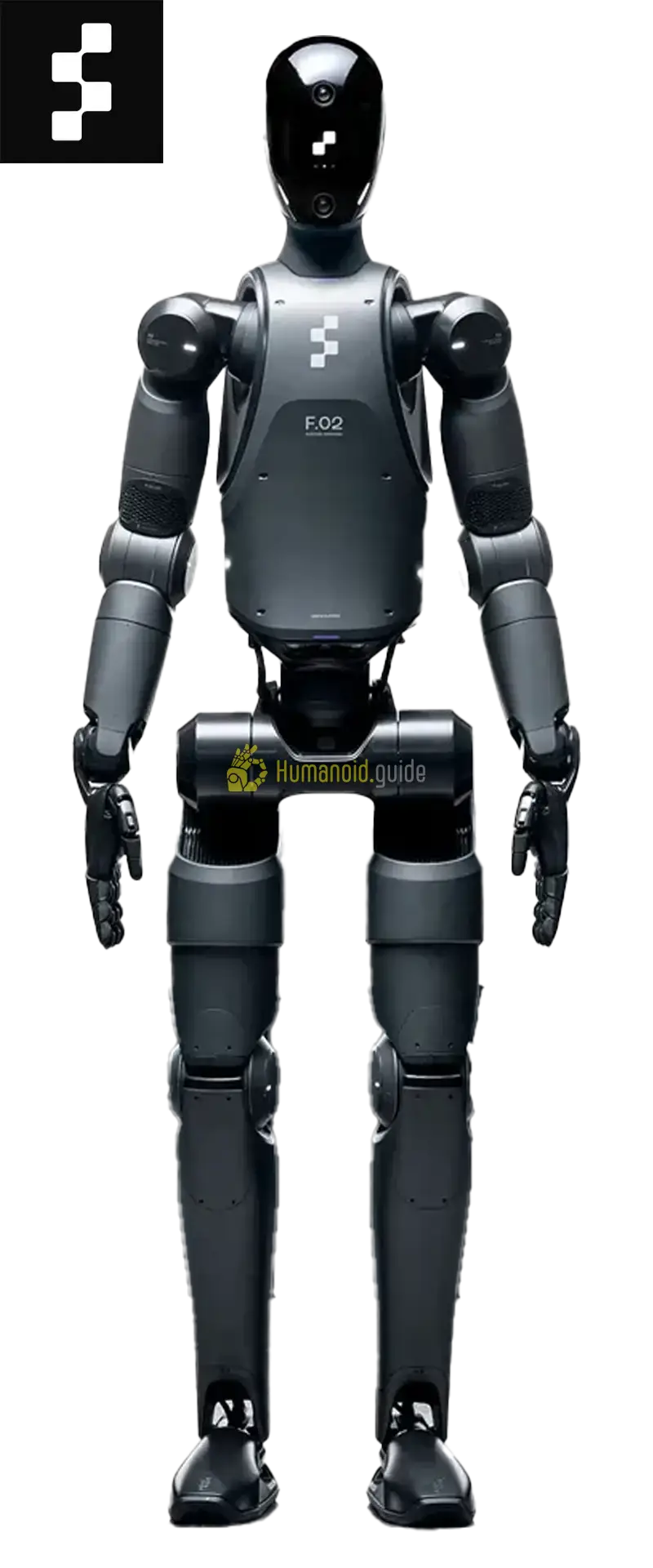
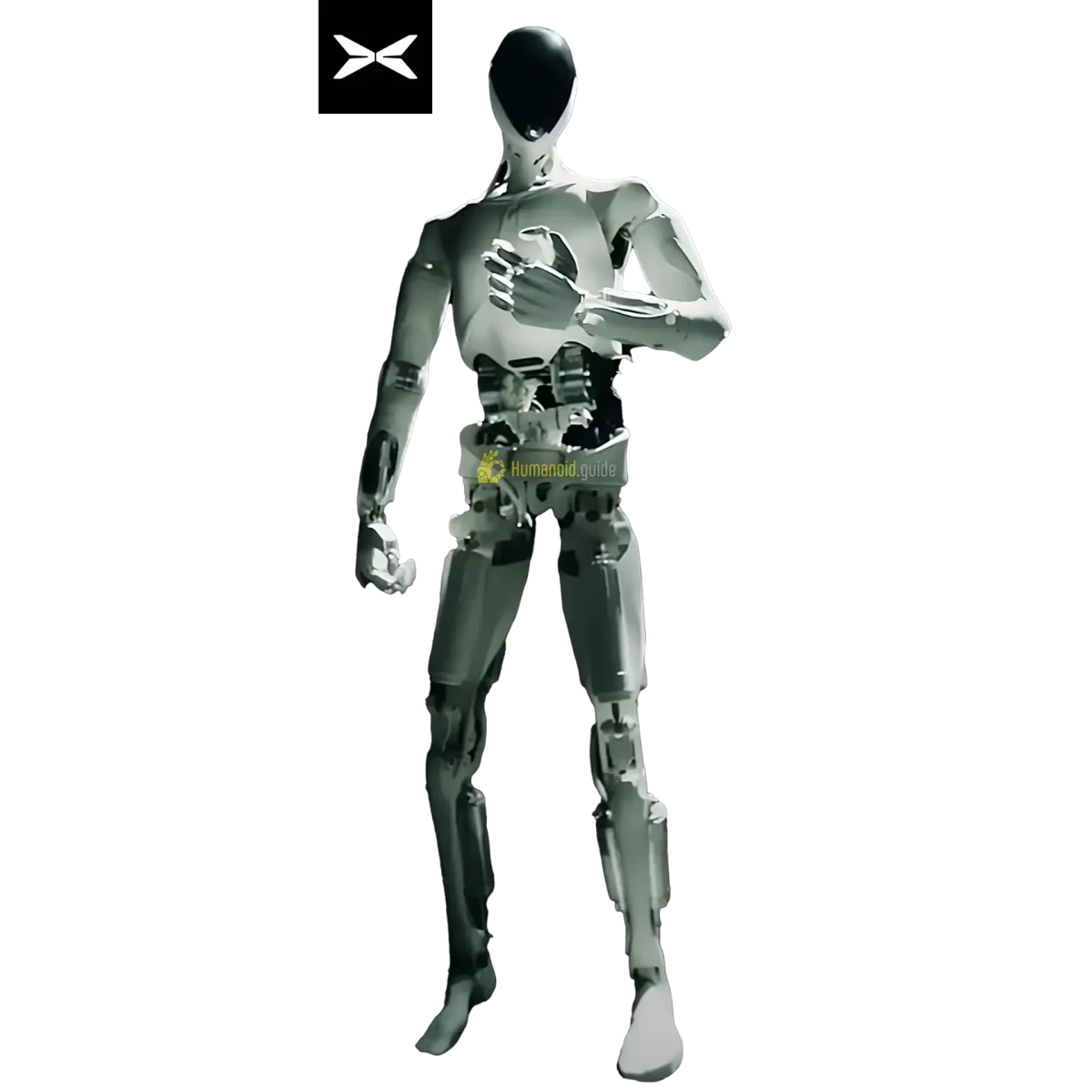
<figcaption style="font-size:0.9em; color:#555;">Figure 02 (left) vs XPENG Robotics Iron (right) — two of the most advanced prototype humanoid robots entering industrial pilots in 2026.</figcaption>
</figure>
<div class="tldr-verdict">
**Verdict: Figure 02 vs XPENG Robotics Iron at a Glance** — For near‑term industrial deployment, the **Figure 02** ($130,000 est.) is the clear winner: it already runs real BMW logistics pilots, packs an on‑board Helix AI model, and delivers a proven 5‑hour battery life. The **XPENG Iron** (price undisclosed, ~$150,000 estimated) counters with an extraordinary **72‑degree‑of‑freedom** dexterity advantage and a planned 2026 rollout that targets Xpeng’s auto factories, but remains pre‑production. If you need a production‑ready manipulation partner in **2026**, bet on Figure 02. If you’re building a **next‑generation dexterity** research line and can wait, Iron’s knematic density is unmatched.
</div>
**Two of the most talked‑about humanoid prototypes are marching toward factory floors — but which one actually works for you?** The [Figure 02](/en/robot-database/figure-02/) is a US‑built, Helix‑powered industrial assistant already flexing in BMW’s Spartanburg plant. The [XPENG Robotics Iron](/en/robot-database/xpeng-iron/) is a 72‑DOF dexterity monster from China, targeting Xpeng’s own EV production lines. Both weigh ~70 kg, lift 20 kg, and promise a future where humanoids handle tedious logistics. This comparison cuts through marketing to deliver hard specs, real‑world deployment data, and a no‑fluff verdict by use case.
<div class="quick-verdict">
## Quick Verdict: Who Wins?
- **Best overall value (2026 pilot readiness):** Figure 02 — available for industrial pilot programs now, with 5‑hour uptime and documented BMW results.
- **Best for maximum dexterity:** XPENG Iron — 72 degrees of freedom across arms and hands; built for ultra‑complex pick‑and‑place tasks.
- **Best for AI‑native operations:** Figure 02 — runs the Helix vision‑language‑action model natively, enabling natural speech commands and zero‑shot task learning.
- **Best long‑term platform (2027+ scale):** XPENG Iron — lower per‑unit cost is expected under parent Xpeng’s automotive manufacturing ecosystem, potentially below $100K at volume.
- **Best budget pick:** Neither is commercially sold; both are enterprise‑access‑only. If capital cost is your #1 concern, a cobot (UR5e ~$35K) remains the realistic alternative.
</div>
## Figure 02 vs XPENG IRON: Specs Compared
| Specification | Figure 02 | XPENG Robotics Iron |
|---------------|-----------|----------------------|
| **Price (base)** | $130,000 (pilot estimate) | Undisclosed (~$150,000 industry estimate) |
| **Availability** | Pre‑order / pilot programs | Enterprise‑only, prototype |
| **Height** | 1.68 m | 1.73 m |
| **Weight** | 70 kg | 70 kg |
| **Payload** | 20 kg | 20 kg |
| **Max speed** | 10.8 km/h | 5.8 km/h (1.61 m/s) |
| **Battery life** | 5 hours | 4 hours |
| **Degrees of freedom** | 28 | 72 |
| **AI/Software** | Helix multimodal VLA | Not published (likely vision‑based SLAM) |
| **Onboard compute** | NVIDIA Jetson AGX Orin (8‑core ARM, 2048 CUDA) | Not published |
| **Sensors** | 7 RGB‑D cameras, IMU, tactile fingers | Intel RealSense depth, LiDAR, ultrasonic, IMU (expected) |
| **ROS2 support** | Not confirmed (custom stack) | Not published |
| **Safety certifications** | Pilot‑only, no ISO published | Pilot‑only, no ISO published |
| **Warranty/Support** | Enterprise pilot SLA only | Enterprise pilot SLA only |
| **Lead time** | ~6 months for new pilot partners | 12‑18 months est. for first external units |
*Note: “Not published” fields are marked explicitly — do not assume functionality until the manufacturer releases details.*
## Figure 02: The US Industrial Powerhouse
Launched by Figure AI (Sunnyvale, California) in 2024, the **Figure 02** is a 28‑DOF humanoid engineered specifically for manufacturing and warehouse logistics. It stands 1.68 m tall, weighs 70 kg, and carries a 20 kg payload at speeds up to 3 m/s — fast enough to walk alongside a production line. The robot’s headline feature is the **Helix** AI model, a single neural network that processes vision, language, and action simultaneously, enabling the bot to follow spoken instructions and learn new tasks on the fly. Pricing for pilot programs is estimated at $130,000 per unit, with availability through direct enterprise partnerships. While not publicly purchasable, 2025 saw the bot move from lab demos to logged operations in BMW’s Spartanburg assembly plant, reinforcing its reputation as one of the most industrially mature humanoids on the market.
## XPENG Robotics Iron: Dexterity‑First Design
Debuting in 2024 under **XPENG Robotics** (a subsidiary of EV maker Xpeng, Guangzhou), the **Iron** prioritizes manipulation fidelity above all else — packing an astonishing **72 degrees of freedom** (more than any other humanoid in its class) across its arms, wrists, and five‑finger hands. At 1.73 m and 70 kg, it shares the same payload (20 kg) as Figure 02 but moves at a more deliberate 5.8 km/h. Its 4‑hour battery targets a shift‑like operational window. Unlike Figure 02’s publicly detailed Helix stack, Iron’s AI layer is largely unpublished; early reports suggest a proprietary vision‑SLAM navigation fused with force‑torque feedback from each finger. The robot remains in **pre‑production**, with Xpeng eyeing initial deployment on its own car‑assembly lines before offering units externally. No official price is available, though industry insiders peg an early unit cost around $150,000, with the ambition to drop below $100,000 once volume manufacturing kicks in. No used market exists.
## Price & Total Cost of Ownership
Sticker prices are only the beginning; humanoid robotics in 2026 still revolve around pilot programs with bespoke integration fees.
| Cost Element | Figure 02 | XPENG Iron |
|--------------|-----------|------------|
| **Unit price (pilot)** | $130,000 | ~$150,000 (est.) |
| **Software & AI subscription** | Part of pilot package (Helix licensing included) | Unknown; likely bundled or SAAS |
| **Annual support / SLA** | $15,000 – $25,000 (enterprise pilot) | Not published |
| **Spares & accessories** | End‑effectors, battery packs extra | Not available |
| **3‑year TCO (estimated)** | ~$195,000 – $235,000 | Likely comparable, pending transparency |
The Figure 02’s more established pilot infrastructure means potential partners can get a clearer TCO projection today. Iron’s total cost will hinge on Xpeng’s final service offerings — something to re‑evaluate when the robot exits pre‑production.
For a **budget‑sensitive** operation, neither robot competes on cost; a Universal Robots UR10e cobot starts under $50,000 and handles many repetitive pick‑and‑place tasks without the mobility premium.
**Winner: Figure 02**, for transparent pilot pricing and a known 3‑year cost envelope.
## Performance & Specs Deep‑Dive
### Payload & Lifting Capability
Both robots match at **20 kg** payload — enough for automotive parts, totes, and warehouse bins. The difference is in the hands: Iron’s 72‑DOF system can cradle fragile automotive trim with force‑feedback, while Figure 02’s 5‑finger hands deliver proven grip‑force for BMW’s mixed‑part lines. In real use, both cover the same weight class; what you lift with them depends on their dexterity.
**Winner: Tie**, for payload, with Iron edging ahead in manipulation potential.
### Speed & Mobility
Figure 02’s **3 m/s** (10.8 km/h) walking speed nearly doubles Iron’s 5.8 km/h. In a factory where a bot shuttles between workstations, speed is battery‑life minutes and throughput. However, both are wheel‑free and navigate confined spaces better than AMRs.
**Winner: Figure 02**, by a wide margin.
### Battery Life & Runtime
Figure 02 holds a 5‑hour active duty cycle; Iron manages 4 hours. An extra hour per charge translates to one more full shift segment before docking. Iron’s lower speed might partially offset shorter life, but on sheer endurance, Figure 02 wins.
**Winner: Figure 02**.
### Degrees of Freedom: Manipulation vs. Motion
Iron’s 72 DOF dwarfs Figure 02’s 28. Those extra degrees live in the wrists, fingers, and possibly a more articulated torso, enabling ultra‑dextrous tasks like inserting connectors, aligning small parts, or handling soft materials. Figure 02 focuses its 28 DOF on robust walking, balancing, and dual‑arm material handling — sufficient for palletizing and tote movement, but not nearly as flexible for fine assembly.
**Winner: XPENG Iron**, for labs and tasks demanding surgical‑grade manipulation.
## Software & SDK Ecosystem
Figure 02 is inseparable from its **Helix** AI: a vision‑language‑action model that the company says can “understand the world and take action without code.” In practice, that means an operator says “move the black totes to shelf 3,” and Helix sees, reasons, and moves. SDK availability is limited to pilot partners, and no public ROS2 node has been released. The development environment is effectively a walled garden, but for early adopters it works.
XPENG Iron’s software stack is significantly less documented. Indications point to an in‑house SLAM and grasping framework, likely derived from Xpeng’s autonomous driving perception stack (LiDAR and visual learning). No public SDK or developer portal exists yet. For an integrator, Iron represents a black‑box platform with enormous hardware potential but zero community support.
**Winner: Figure 02**, for shipping a functioning, demo‑hardened AI stack and partnering with enterprises.
## Autonomy & Sensors
Figure 02 packs **seven RGB‑D cameras** into its head and torso, plus an IMU and tactile sensing in its fingertips. The Helix model fuses these streams with speech input, enabling the robot to navigate dynamic factory floors, avoid humans, and self‑correct failed grasps. In BMW’s trials, Figure 02 performed real logistics tasks without teleoperation, proving a degree of true autonomy.
Iron’s sensor suite reportedly includes Intel RealSense depth modules, LiDAR, ultrasonic sensors, and an IMU — a combination optimized for Xpeng’s manufacturing halls. However, all demos so far have been tightly scripted or teleoperated; no independently verified autonomous runs have been published.
**Winner: Figure 02**, for demonstrated, scalable autonomous operation in a live industrial setting.
## Build Quality & Durability
Both robots are designed for factory environments, but neither carries a published IP rating. Figure 02’s metallic skin and sealed joints suggest some dust and moisture resistance; BMW pilots have not reported significant durability issues. Iron’s public images show exposed cabling and intricate finger linkages, which could be vulnerable in messy production lines. Until formal IP testing is released, Iron’s ruggedness remains unknown, while Figure 02 benefits from field‑driven iteration.
**Winner: Figure 02**, by virtue of having more real‑world hours and a track record of up‑time.
## Which Should You Buy? Figure 02 vs XPENG Iron by Use Case
- **Choose the Figure 02 if…**
* You need a humanoid **working in your plant within 2026**.
* You value **speed and proven autonomy** for logistics (move totes, load pallets, navigate dynamic aisles).
* An **AI‑first operation** matters to you — Helix can be tasked with spoken English.
* Your facility already uses or plans to use **BMW‑style EV assembly** processes, where Figure 02 has direct experience.
- **Choose the XPENG Iron if…**
* Your primary problem is **ultra‑dextrous manipulation** — assembling wiring harnesses, installing small trim parts, or packaging fragile items.
* You are a **research institution or corporate R&D lab** willing to co‑develop software and wait 12–18 months for a unit.
* You anticipate scaling with **Xpeng’s automotive supply chain** and expect lower costs after the first production run.
- **Choose neither if…**
* Your task is **static, repetitive assembly** — a fixed cobot (UR5e/UR10e) will be cheaper, faster to deploy, and already proven.
* You need **outdoor, all‑weather operation** — look at a quadruped like Boston Dynamics Spot or Unitree B2.
## Real‑World Deployments & Track Record
**Figure 02 at BMW (Spartanburg, South Carolina)**: In early 2025, Figure AI installed a fleet of Figure 02 units inside BMW’s production body shop. According to Figure’s blog and third‑party coverage (The Robot Report, March 2025), the robots moved totes of stamped metal parts between stations, autonomously navigating around AGVs and human co‑workers. While exact operating hours are not public, the pilot advanced to a second phase, confirming meaningful up‑time. Figure 03 modules are already being referenced, signaling a deeper partnership.
**XPENG Iron on the factory floor**: Xpeng demonstrated Iron walking and performing simple pick tasks in a small‑scale mock assembly line at the company’s Guangzhou headquarters in late 2024. As of mid‑2026, no external customer pilot has been announced. The robot is considered “pre‑production,” with limited public data on mean time between failures or duty cycles. Enterprise buyers should treat Iron as an R&D platform until post‑2027 independent deployments appear.
**Winner: Figure 02**, with a transparent, named industrial deployment. Iron’s track record remains aspirational.
## SDK, Software & Developer Ecosystem
- **Figure 02**: Early pilot partners gain access to a Python‑wrapped C++ API on top of Helix. The system is not open‑source and does not natively run ROS2; however, some integrators have bridged the robot to a ROS2 node for fleet management pilots (details undisclosed). Simulation support is possible via Nvidia Isaac Sim, which maps well to the Jetson Orin compute.
- **XPENG Iron**: No public SDK, no simulation environment, no ROS2 bridge available. Xpeng’s in‑house software team builds task‑specific routines. For a developer looking to contribute, Iron is a closed door; for a manufacturer willing to co‑engineer, Xpeng’s direct support may still emerge.
**Winner: Figure 02**, purely because a documented Helix API and proven integration path exist for enterprise partners.
## Support, Warranty & Availability
- **Figure 02**: Available for pre‑order with pilot planning through Figure AI’s enterprise team. Lead time is approximately 6 months from signed MOU to first unit. Pilot SLAs cover remote monitoring and annual on‑site servicing. No public spare‑parts brokerage exists; all services go through Figure AI directly.
- **XPENG Iron**: No formal purchasing channel yet. Xpeng robotics operates as a subsidiary of a publicly traded automaker, so procurement would likely route through Xpeng’s industrial division. Lead time to first external unit is realistically 12–18 months, pending commercial release. Warranty terms are undefined.
**Winner: Figure 02**, by a wide margin for enterprise‑ready contracting and near‑term availability.
Figure 02 vs XPENG Robotics Iron: Price & Specs (2026)
Figure 02 brings Helix AI and BMW-tested logistics; XPENG Iron boasts 72 DOF dexterity. Which is ready for your factory floor?
Frequently Asked Questions
No. Figure 02 is available under enterprise pilot agreements; a typical deal involves a development‑style contract, not a retail purchase. XPENG Iron is not yet commercially available and expected to remain prototype‑only through at least early 2027.
For tasks that require mobility and speed across a plant, the Figure 02 has proven experience at BMW. For fine‑manipulation assembly (e.g., installing dashboard trim or connectors), Iron’s 72 DOF offers a theoretical advantage, but it has not been validated in a real factory.
Figure 02 pilot units are estimated at $130,000. Iron has no official price; industry estimates place it around $150,000, though Xpeng may subsidize initial partners. Over a 3‑year pilot, the difference may be negligible after you factor in integration costs.
Yes. The Helix model unifies vision, language, and action into one network, making it the only humanoid with a demonstrable “zero‑shot” task performance from voice commands. Iron’s AI capabilities are not yet public, and no equivalent multimodal model has been shown.
Both are rated for 20 kg. Payload is identical; the differentiator is how each hand can use that capacity.
A UR5e cobot (~$35,000) covers many static pick‑and‑place jobs at a fraction of the cost and is available today. For mobile tasks, a Unitree Go2 quadruped with an arm (~$5,000–$10,000) or a MiR AMR can often replace a humanoid for less money.
Comments