

The core tension is simple: an $130,000 industrial workhorse you can (sort of) buy today, versus a next‑generation 44‑DOF household robot that’s still in the lab. This article compares the Figure 02 and Figure 03 across every dimension that matters—price, payload, battery, degrees of freedom, real‑world deployments, software, and use‑case fit—so you can decide which Figure robot belongs in your workflow (or your home) by mid‑2026.
Figure 02 vs Figure 03: Specs Compared
| Specification | Figure 02 | Figure 03 |
|---|---|---|
| Price (base) | $130,000 (pre‑order) | Undisclosed (pre‑order) |
| Price (configured) | Not published | Not published |
| Height | 1.68 m | 1.68 m |
| Weight | 70 kg | 55 kg |
| Payload | 20 kg | 20 kg |
| Max speed | 10.8 km/h | 4.3 km/h (1.19 m/s) |
| Battery/Runtime | 5 hours | 5 hours |
| Degrees of freedom | 28 | 44 |
| IP rating | Not published | Not published |
| Onboard compute | NVIDIA Jetson Orin module (Helix AI) | Helix VLM vision‑language‑action (pixel‑to‑action) |
| Sensors/LiDAR | Intel RealSense depth cameras + LiDAR | Intel RealSense depth cameras, multiple RGB‑D cameras |
| SDK languages | C++, Python (ROS‑compatible) | C++, Python (ROS‑compatible) |
| ROS2 support | No official public SDK; early‑access partners only | No official public SDK; early‑access partners only |
| Autonomy/fleet | Helix multimodal model; single‑point task teaching | Helix VLM; pixel‑to‑action learning from humans |
| Safety certs | Not certified (pilot stage) | Not certified (prototype) |
| Availability | Pre‑order; deliveries expected H2 2026 | Pre‑order only; no ship date |
| Warranty/Support | TBD (enterprise pilot programme) | TBD (consumer‑grade promise) |
The biggest delta is DOF: Figure 03’s 44 joints promise vastly more dexterity, while Figure 02’s 28 joints are engineered for rugged, repeatable industrial moves. Both share 20 kg payload and 5‑hour runtime, but the speed gap is notable—Figure 02 walks over twice as fast.
Figure 02: The Proven Industrial Humanoid
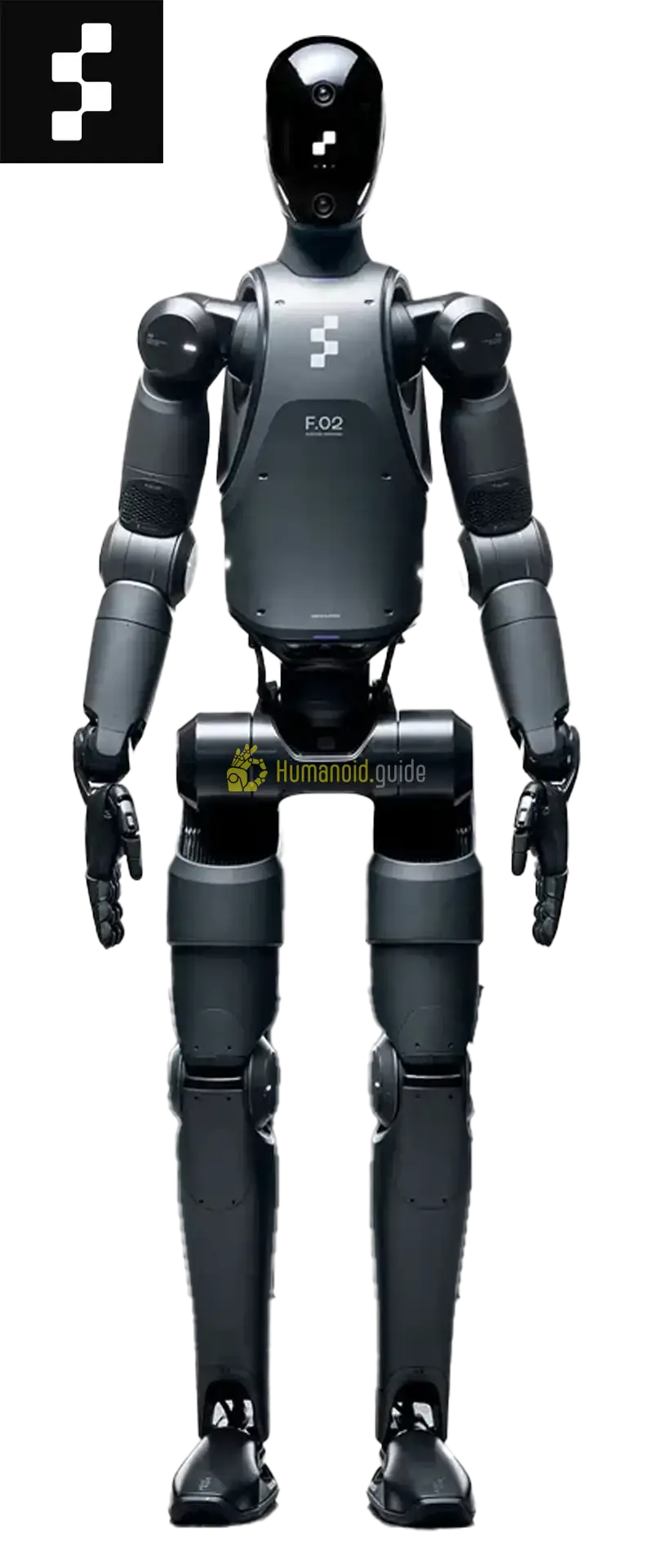
Launched in 2024 by Figure AI (Sunnyvale, California), Figure 02 is the company’s second‑generation general‑purpose humanoid. It stands 1.68 m tall, weighs 70 kg, and carries up to 20 kg. Its five‑hour battery and NVIDIA Orin‑powered Helix AI let it handle depalletising, kitting, light assembly, and autonomous mobile manipulation in structured industrial environments. Unlike most humanoids, Figure 02 has a real‑world deployment: at BMW Group’s Spartanburg plant, where it has logged 1,250 operating hours and supported over 30,000 BMW X3 vehicles as part of a logistics pilot (source: Figure AI / BMW deployment report, 2024). The price is $130,000 per unit for pilot‑programme customers, and broader pre‑orders are expected to ship in the second half of 2026.
Figure 03: The Next‑Gen Home & Service Humanoid
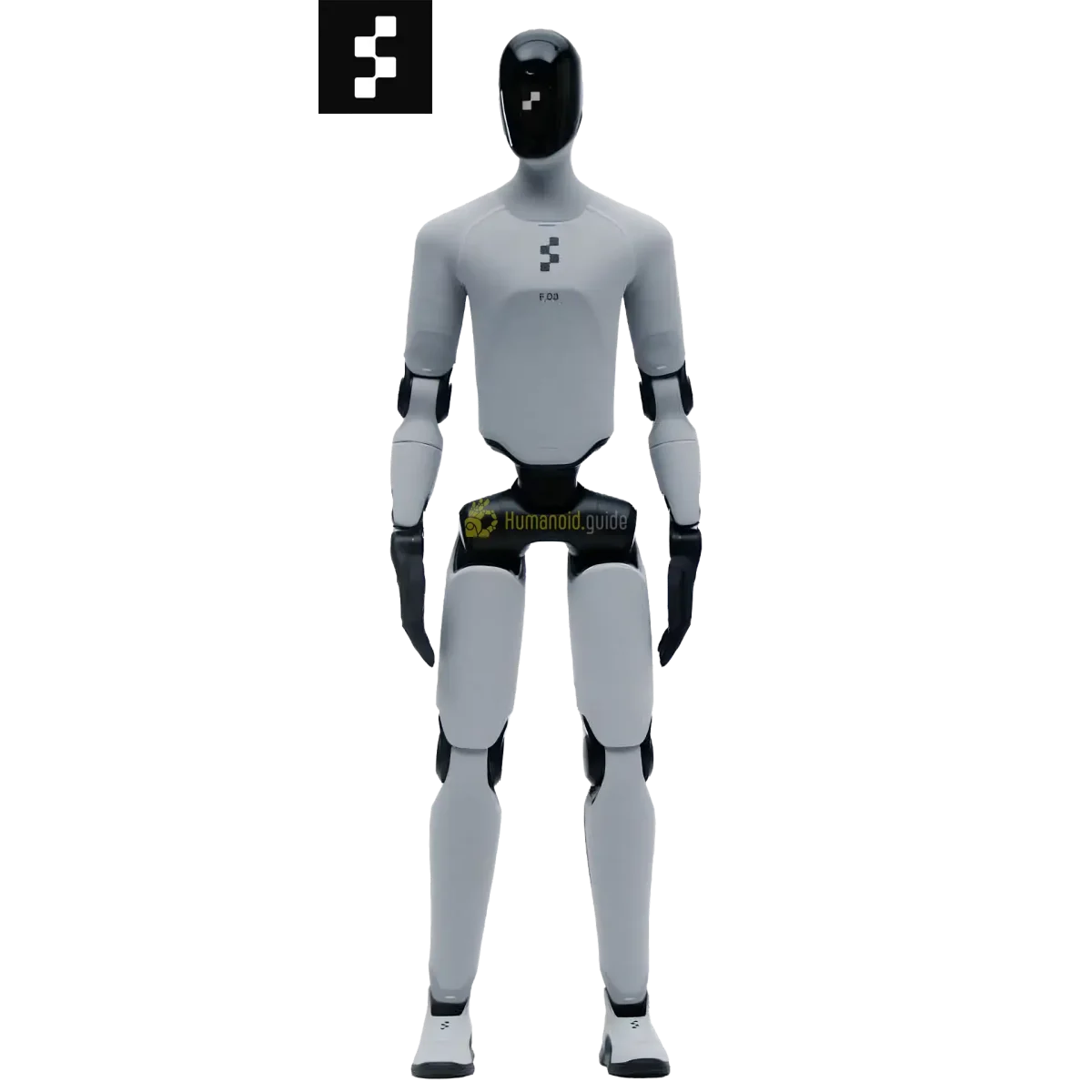
Unveiled in 2025, Figure 03 represents a significant design shift. It shares the same 1.68 m height as the Figure 02 but drops to 55 kg, thanks to lighter materials and a more compact torso. The standout figure is 44 degrees of freedom—56% more than its predecessor—giving it the dexterity to perform delicate tasks like folding laundry or loading a dishwasher. Top speed is just 4.3 km/h, which trades away factory‑floor pace for safe, slow‑motion home operation. It runs the Helix vision‑language‑action model, capable of learning new skills from a single human demonstration by mapping pixels directly to actions. Figure 03 is currently a pre‑order prototype; no public price has been announced, though internal expectations hinted at a consumer price as low as $20,000 (unconfirmed). There is no delivery timeline, and no real‑world deployments have been published.
Price & Total Cost of Ownership
Figure 02: $130,000 base (pre‑order). For an enterprise pilot, the three‑year TCO can reach $200,000+ once you factor in software support, spare parts, and integration engineering. Figure AI offers a pilot‑programme package that includes on‑site support—crucial for a first‑gen industrial robot. Figure 03: Price is officially undisclosed. If the rumoured $20,000 consumer price ever becomes reality, Figure 03 would be the cheapest humanoid on the market. Until a price appears, any TCO comparison is guesswork. Buyers should treat Figure 03 as “not yet purchasable” and avoid budget planning around it.
Winner: Figure 02, because it has a real, bookable price and a defined delivery window. Figure 03 can’t be bought today.
Performance & Specs
Payload
Both robots lift 20 kg—a standard box‑handling sweet spot. Figure 02’s stiffer industrial‑grade arms handle sustained loads better in repetitive factory cycles. Figure 03’s lighter frame may struggle with the same duty cycle, though its 44‑DOF hands allow more versatile grasping. Winner: Figure 02 for industrial endurance; Figure 03 for delicate grasping tasks.
Speed
Figure 02 moves at 10.8 km/h, matching a brisk walking pace and covering factory floors quickly. Figure 03 walks at 4.3 km/h, which is safe for a home but too slow for large logistics centres. Winner: Figure 02 for any application that values throughput.
Battery Life
Both claim a five‑hour runtime. Figure 02’s heavier 70 kg body draws more power during rapid movement, but firm‑ware optimisation achieves parity. Without independent testing, treat the five‑hour figure as a lab‑best for both. Winner: Tie—pending real‑world validation.
Degrees of Freedom
Figure 02: 28 DOF, with a focus on robust, repeatable motions. Figure 03: 44 DOF, including fully articulated hands and a new waist joint. The 16 extra DOF give Figure 03 a huge dexterity advantage for tasks like picking up fragile items or using human tools. Winner: Figure 03, by a wide margin.
Software & SDK Ecosystem
Both robots are powered by Figure AI’s Helix family of AI models. Figure 02 uses the original multimodal Helix stack that combines vision, language, and action via an NVIDIA Orin compute module. Figure 03 introduces Helix VLM, a pixel‑to‑action vision‑language‑action model that learns new behaviours from a single human demonstration—no coding required. The SDK for both is currently restricted to early‑access partners; no public GitHub repositories, ROS2 drivers, or simulation models (e.g., Isaac Sim) are available yet. For developers, this means either you join the pilot programme or you wait.
Winner: Figure 03 for advancing AI‑first learning methods; Figure 02 for having a slightly more mature toolchain (used at BMW).
Autonomy & Sensors
Figure 02 uses Intel RealSense depth cameras and a LiDAR sensor to build factory maps and navigate dynamic environments. It can be taught a new task by moving its arms through a sequence—a form of kinesthetic teaching. Figure 03 relies on the same RealSense array but adds multiple RGB‑D cameras for 360° home awareness. Its Helix VLM can predict actions directly from camera pixels, enabling zero‑shot task transfer: a human demonstrates a task once, and the robot replicates it immediately. Neither robot is fully autonomous for unsupervised work; both require human oversight in 2026.
Winner: Figure 03 for learning speed and flexibility; Figure 02 for proven factory navigation.
Build Quality & Durability
Neither robot has a published IP rating or operating‑temperature range. Figure 02’s metal frame and 70 kg build suggest it can withstand the bumps of an assembly line; its pilot at BMW supports that. Figure 03’s plastic‑shell, 55 kg body is clearly designed for indoor home use, where cleanliness and quiet operation matter more than impact resistance. Both lack safety certifications (ISO 10218‑1, etc.) needed for unsupervised work alongside humans.
Winner: Figure 02 for ruggedness; Figure 03 for home‑friendly design.
Which Should You Buy? Figure 02 vs Figure 03 by Use Case
Choose Figure 02 if… - You run a factory, warehouse, or logistics centre and need a human‑size robot today. - A proven pilot with 1,250+ hours at BMW gives you confidence. - You have a $130K budget and need a robot that lifts 20 kg for five hours. - You value speed (3 m/s) over ultimate dexterity.
Choose Figure 03 if… - You are a home‑service designer, senior‑care provider, or consumer‑tech company planning for 2027+. - 44‑DOF dexterity and pixel‑to‑action learning are central to your service concept. - You can wait for a price and a ship date that don’t exist yet. - You need a lighter, quieter robot that moves safely around people.
Choose neither if… - You need a robot today with ROS2‑open SDK and public availability—instead look at Unitree G1 or Boston Dynamics Spot.
Real‑World Deployments & Track Record
Figure 02: Deployed at BMW Group Plant Spartanburg (USA) in 2024 as part of a logistics pilot. Figure AI reports 1,250 operating hours and support for over 30,000 BMW X3 vehicles. This is the only publicly documented humanoid deployment of this scale in an automotive plant.
Figure 03: No public deployments. The robot exists as a prototype shown in controlled demo videos. All performance claims come from manufacturer demos, which often represent best‑case scenarios.
Winner: Figure 02 by a massive margin—it has an actual shop‑floor résumé.
SDK, Software & Developer Ecosystem
Both robots currently live inside Figure AI’s closed ecosystem. The Helix AI models power task learning, but there is no public SDK, no ROS2 node, and no simulation environment (e.g., NVIDIA Isaac Sim) for community development. Enterprises that join the pilot programme get access to proprietary C++ and Python APIs, plus engineering support. For researchers and tinkerers, this is a closed door—unlike Unitree’s G1 or TESLA’s eventual plans, Figure’s walled garden limits third‑party innovation.
Winner: Tie—both are equally closed, but Figure 02 at least has a pilot‑proven API.
Support, Warranty & Availability
Figure 02: Pre‑order only, with deliveries expected in H2 2026. Pilot customers receive on‑site engineering support and a custom SLA; standard warranty terms have not been published. Spare‑parts availability and repair turnaround are also not disclosed. Figure 03: Pre‑order status, no shipping date. Figure AI promises a “consumer‑grade” support experience but has released no documentation. Buyers should assume that any support will ramp up post‑launch.
Winner: Figure 02 for having a tangible pilot programme and a realistic delivery window.
Comments