

The Boston Dynamics Spot has set the standard for quadruped inspection robots since its commercial launch in 2020, but Unitree’s new B2—released in 2026—raises the bar with a 40 kg payload, five‑hour battery and speeds up to 21.6 km/h. This article compares the two heavy‑duty quadrupeds across price, payload, speed, autonomy and real‑world use, so you can decide which fits your industrial needs. If you’re weighing the Boston Dynamics Spot against the Unitree B2, here’s everything that matters.
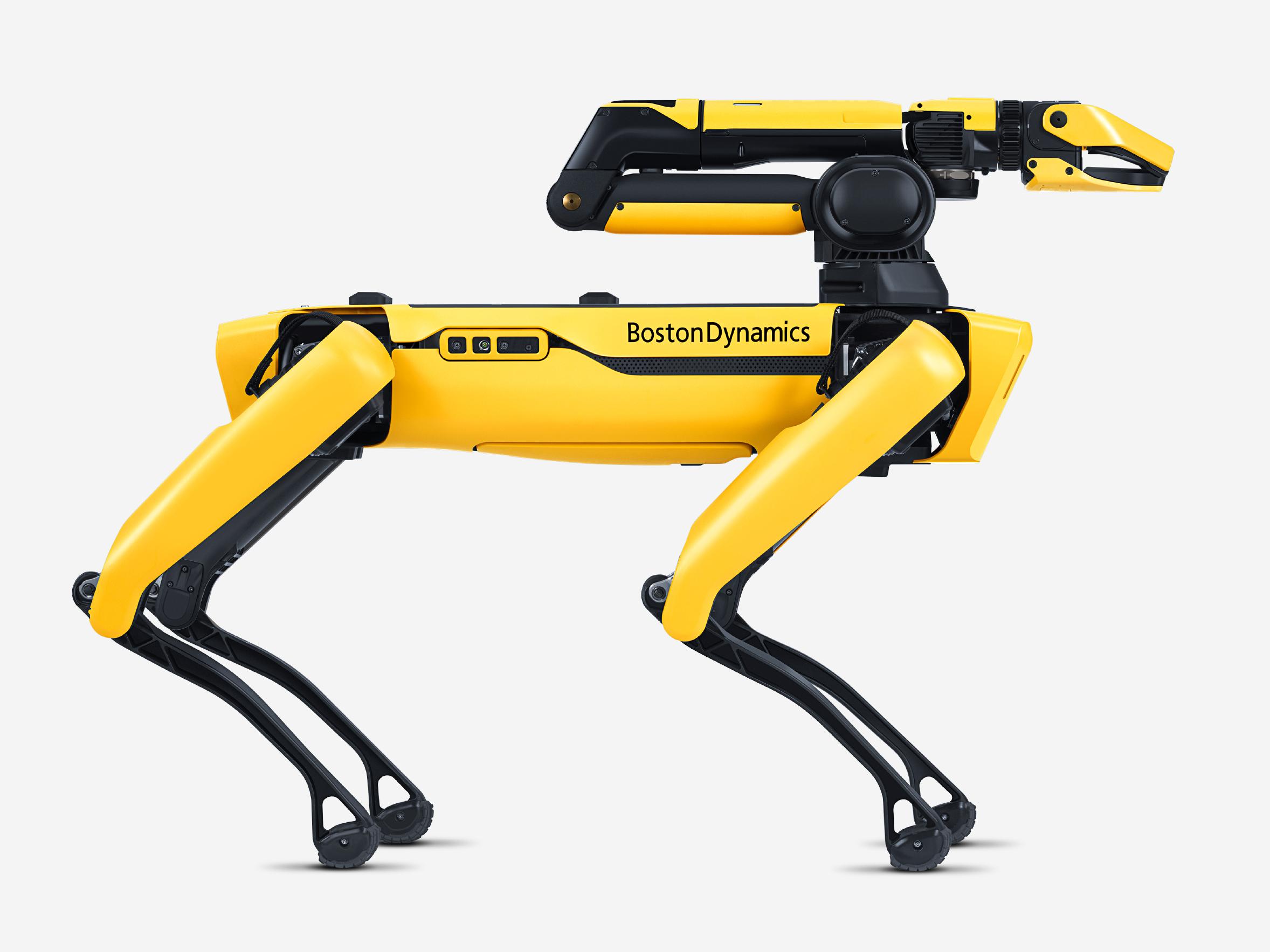
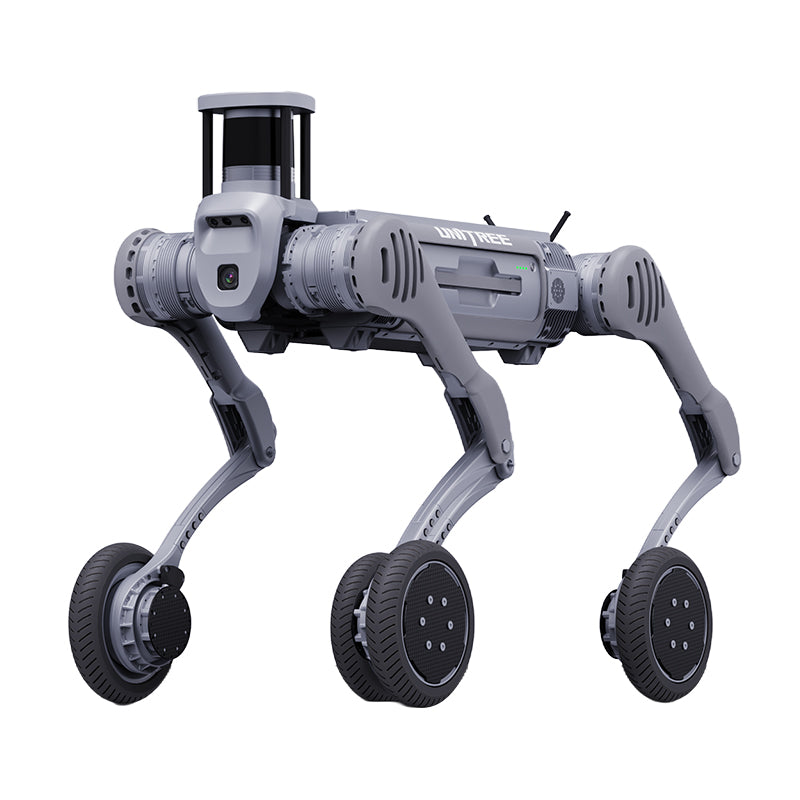 Left: Boston Dynamics Spot. Right: Unitree B2 — note the size and ground clearance difference.
Quick Verdict: Who Wins?
- Best overall value: Unitree B2 – more payload, speed and runtime per dollar for heavy‑duty, high‑availability industrial tasks.
- Best for light inspection & proven ecosystem: Boston Dynamics Spot – thousands of deployments, mature SDK, fleet management and used‑unit savings.
- Best for heavy payloads & harsh environments: Unitree B2 – IP67 dust‑tight and waterproof, 40 kg walking payload, 5 h battery.
- Best budget pick: Used Boston Dynamics Spot (~$45,000–$90,000) or a base Explorer kit at $74,500.
Boston Dynamics Spot vs Unitree B2: Specs Compared
| Specification | Boston Dynamics Spot | Unitree B2 |
|---|---|---|
| Price (base) | $74,500 | $100,000 |
| Price (configured) | Up to $150,000 | Up to $180,000 |
| Weight | 32.5 kg | 60 kg |
| Height | 840 mm | 1,098 mm |
| Payload | 14 kg | 40 kg |
| Max speed | 5.76 km/h (1.6 m/s) | 21.6 km/h (6 m/s) |
| Battery life | 1.5 hours | 5 hours |
| Degrees of freedom | 12 (18 with Spot Arm) | 26 |
| IP rating | IP54 (splash‑proof) | IP67 (dust‑tight, immersion) |
| Onboard compute | NVIDIA Jetson TX2 / Xavier | NVIDIA Jetson (model undisclosed) |
| Sensors | 5 stereo cameras, depth sensors, optional LiDAR | 360° cameras, depth sensors, LiDAR |
| SDK languages | Python, C++ (Boston Dynamics SDK) | Python, C++ (Unitree SDK) |
| ROS2 support | Unofficial bridge (ros1/ros2 community) | Third-party ROS2 drivers emerging |
| Autonomy / fleet mgmt | Autowalk, Scout fleet management | Unitree fleet control app (limited) |
| Safety certifications | Not published (likely ISO) | Not published |
| Availability | In stock, direct from Boston Dynamics | Enterprise-only, factory direct |
| Warranty / support | 1 year standard, extendable; global support network | 1 year standard, growing support |
The B2 dwarfs Spot on paper: 2.8× the payload, 3.3× the battery life and nearly 4× the speed. But numbers don’t tell the full story—ecosystem, real‑world trust and operating context decide the real winner.
Boston Dynamics Spot: The Proven Industrial Quadruped
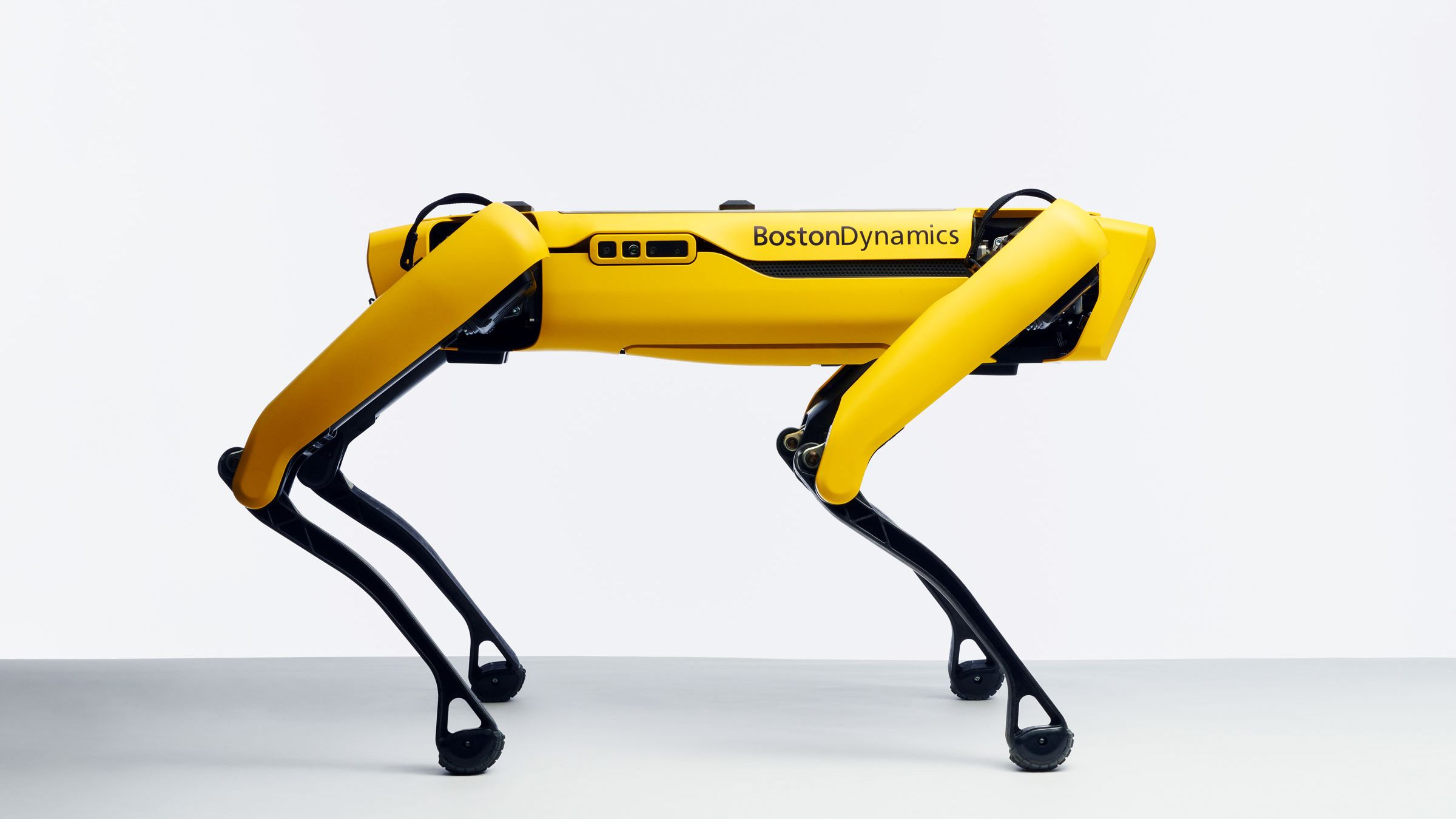
The Boston Dynamics Spot is the most widely deployed quadruped in the world, built for inspection, data collection and remote sensing across oil & gas, utilities, construction and public safety. Standing 840 mm tall and weighing 32.5 kg, the 12‑DOF (18‑DOF with the optional arm) platform carries 14 kg, moves at 1.6 m/s and runs for 90 minutes on a single battery. It is IP54 rated and equipped with five stereo cameras, depth sensors and an optional LiDAR payload, all driven by an NVIDIA Jetson module. Spot’s commercial availability since 2020, extensive SDK (Python/C++), Autowalk autonomy and Scout fleet manager have made it the de‑facto standard. New Explorer kits start at $74,500; fully loaded enterprise configurations reach $150,000. A robust used market offers units from $45,000 to $90,000. Thousands of units are fielded globally, with named deployments at BP, National Grid, NASA JPL and many others.
Learn more about the Boston Dynamics Spot.
Unitree B2: The Heavy‑Duty Speedster
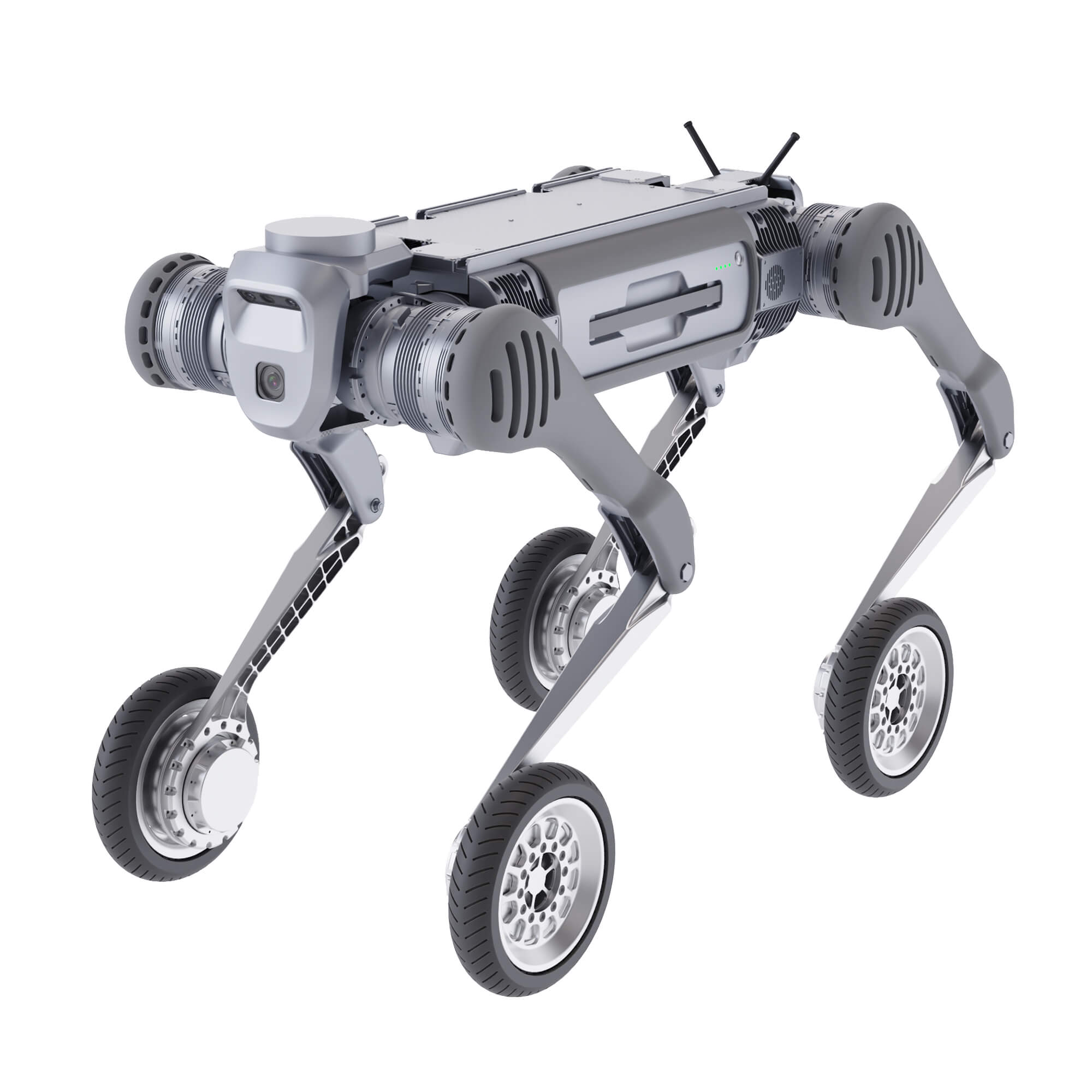
Launched in 2026, the Unitree B2 is a purpose‑built heavy‑duty inspection quadruped from Hangzhou, China. It measures 1,098 mm in height and weighs a solid 60 kg, yet its 26 degrees of freedom and powerful leg actuators let it walk at up to 21.6 km/h (6 m/s) while carrying 40 kg. Key to its industrial design is the five‑hour battery and IP67 sealing—dust‑tight and fully waterproof for immersion up to 1 m depth for 30 minutes. Onboard sensors include a suite of 360° cameras, depth cameras and LiDAR. The B2 is sold factory‑direct to enterprises at a base price of $100,000, with higher‑sensor configurations reaching $180,000. Though the software ecosystem is still maturing, the B2 targets the most demanding environments: mining, offshore platforms, chemical plants and large‑scale outdoor patrols where Spot’s lighter build would struggle.
Find detailed specs for the Unitree B2.
Head‑to‑Head by Dimension
Price & Configurations
Spot’s Explorer kit undercuts the B2 by $25,500, and used Spots plunge the entry barrier below $50,000. The B2’s base $100,000 tag—rising to $180,000 fully kitted—reflects its higher payload, speed and IP67 rating. For budget‑conscious teams that don’t need 40 kg payload, Spot’s used market and mid‑range bundles deliver a lower total spend. For those who require the B2’s extreme capabilities, the extra cost is justified by dramatically higher per‑shift throughput. Winner: Spot for lowest upfront cost and used savings; B2 for maximum raw capability per dollar.
Performance & Specs
Payload
Spot carries 14 kg, adequate for a single sensor pod or small payload. The B2’s 40 kg rating lets it haul industrial cameras, gas sensors, manipulator tools or multiple payloads simultaneously—critical for heavy inspection gear. Winner: Unitree B2
Speed
Spot maxes out at 5.76 km/h—a brisk walk. The B2 hits 21.6 km/h, covering large perimeters or disaster zones in a fraction of the time. Winner: Unitree B2
Battery Life
Spot’s 1.5‑hour runtime demands frequent battery swaps. The B2’s 5‑hour endurance enables full‑shift, unattended patrols without recharging. Winner: Unitree B2
Degrees of Freedom
Spot has 12 leg DOF (18 with the arm). The B2’s 26 DOF allow more intricate leg articulation, including dynamic stair climbing and rough‑terrain gait adjustments. Winner: Unitree B2
IP Rating
Spot’s IP54 protects against splashing water and limited dust. The B2’s IP67 means it can be submerged in water for 30 minutes and is fully dust‑tight—essential for washdown areas, mines and offshore platforms. Winner: Unitree B2
Software & SDK Ecosystem
Boston Dynamics offers a mature SDK with Python and C++ bindings, extensive documentation, Autowalk for teach‑and‑repeat missions, and the Scout fleet manager for coordinating multiple robots. A vibrant developer community maintains ROS1/ROS2 bridges and simulation integrations. Unitree provides its own Python/C++ SDK, but ROS2 drivers are still community‑driven and less battle‑tested. Fleet control is limited to a basic app, lacking the enterprise‑grade scheduling and teleoperation of Scout. Winner: Boston Dynamics Spot
Autonomy & Sensors
Spot’s Autowalk enables precise mission recording and replay, while dynamic obstacle avoidance and 360‑degree perception (stereo cameras + optional LiDAR) are proven in thousands of industrial sites. The B2’s autonomy stack uses similar sensor types but has far fewer documented field hours. Unitree’s algorithms, while capable, have yet to prove reliability at scale. Winner: Boston Dynamics Spot
Build Quality & Durability
At 60 kg with IP67 sealing, the B2 is built like a tank. Its large‑diameter wheels and high‑torque actuators absorb shocks on jagged terrain and survive submersion that would brick a Spot. Spot is lighter, more power‑efficient and well‑suited for indoor/urban environments, but its IP54 rating is a handicap in heavy dust, mud or water. Winner: Unitree B2
Price & Total Cost of Ownership
| Configuration | Boston Dynamics Spot | Unitree B2 |
|---|---|---|
| Base model | $74,500 (Explorer) | $100,000 (industrial base) |
| Fully loaded | ~$150,000 (Enterprise + accessories) | ~$180,000 (high‑sensor, custom) |
| Used / refurbished | $45,000 – $90,000 | $70,000 – $150,000 |
| 3‑year TCO estimate* | ~$90,000 – $200,000 | ~$120,000 – $220,000 |
*TCO includes hardware, annual software/support subscriptions, spare parts and battery replacements; exact figures depend on fleet size and Service Level Agreements.
Spot’s lower upfront cost and active used market make it the more accessible option. Against that, the B2’s five‑hour battery and 40 kg payload can replace multiple lighter robots, potentially reducing total fleet count and operator labor. For a heavy‑duty role, the B2’s per‑hour operating cost often comes out lower despite the higher sticker price. Winner: Spot for lowest absolute spend; B2 for cost effectiveness in heavy‑duty, high‑utilization roles.
Which Should You Buy? Boston Dynamics Spot vs Unitree B2 by Use Case
Choose the Boston Dynamics Spot if… - Your payload needs are ≤14 kg and you value a mature, well‑documented SDK. - You need a fleet‑management system (Scout) and proven autonomy (Autowalk). - You want the safety net of thousands of reference deployments and global support. - You’re budget conscious and can leverage the used market. - An optional manipulator arm is important for your workflow.
Choose the Unitree B2 if… - You regularly haul 20–40 kg payloads (sensor arrays, tools, samples). - Your inspections cover large outdoor areas where 21.6 km/h top speed matters. - You operate in harsh, wet or dusty environments that demand IP67 protection. - Long, unattended patrols (5‑hour battery) reduce labor and battery‑swap downtime.
Choose neither if… - You need a humanoid‑style upper body (consider Spot with the optional arm or a cobot). - Your application can be served by a lighter, cheaper quadruped like the Unitree Go2.
Real‑World Deployments & Track Record
Boston Dynamics Spot has accumulated thousands of unit‑years of field data since 2020. It is used by major utilities (National Grid, Con Edison), oil & gas operators (BP, Petronas), NASA JPL for planetary analog missions, and construction firms for progress monitoring. Boston Dynamics reports global deployments in over 35 countries, supported by a network of certified integrators and repair centres (BD press, 2025).
Unitree B2 entered the market in 2026. Public deployment data is limited; early pilot programs are reported in Chinese heavy industries such as coal mines, chemical plants and large‑scale logistics yards. Its ruggedness and payload promise superior performance in these settings, but the installed base is orders of magnitude smaller. Buyers should factor this maturity gap into safety‑critical decisions.
SDK, Software & Developer Ecosystem
Spot runs on the Boston Dynamics API, offering Python and C++ libraries with hundreds of example scripts, a Gazebo‑based simulation environment, and an active ROS2 community bridge (spot_ros2). Third‑party tools for fleet data aggregation, video streaming and cloud teleoperation are plentiful. The Scout fleet manager provides role‑based access control, scheduling and health monitoring for multi‑robot deployments.
Unitree B2 uses the Unitree SDK, similarly supporting Python and C++. A community‑led ROS2 driver exists on GitHub but lacks the hardening of Spot’s ecosystem. The Unitree mobile app handles basic teleoperation and mission creation, but enterprise‑grade fleet management is not yet available. For developers who need out‑of‑the‑box integration, Spot’s ecosystem is two or three years ahead. Winner: Boston Dynamics Spot
Support, Warranty & Availability
- Boston Dynamics Spot: Direct sales and a global partner network. One‑year standard warranty, extendable with support contracts that include on‑site service, spare parts and 24/7 technical support. Lead times are typically short for base kits; custom configurations may add weeks.
- Unitree B2: Enterprise‑only factory‑direct orders. A one‑year standard warranty is typical, though exact terms are quote‑dependent. Support infrastructure is expanding but does not yet match the global reach of Boston Dynamics. Lead times can be longer due to build‑to‑order processes.
For buyers who require immediate availability and robust SLAs, Spot remains the safer bet.
Comments