

Two humanoids from the same Shanghai manufacturer, AgiBot, embody radically different trade‑offs: the AgiBot A2 is a 80 kg payload powerhouse with all‑day battery life, while the AgiBot A2 Max trades lifting muscle for taller reach and identical top speed but far less endurance and a lighter load. This article puts every published spec, the price gap, and the ideal job for each side‑by‑side so you can see exactly which AgiBot humanoid fits your warehouse, factory, or research lab.
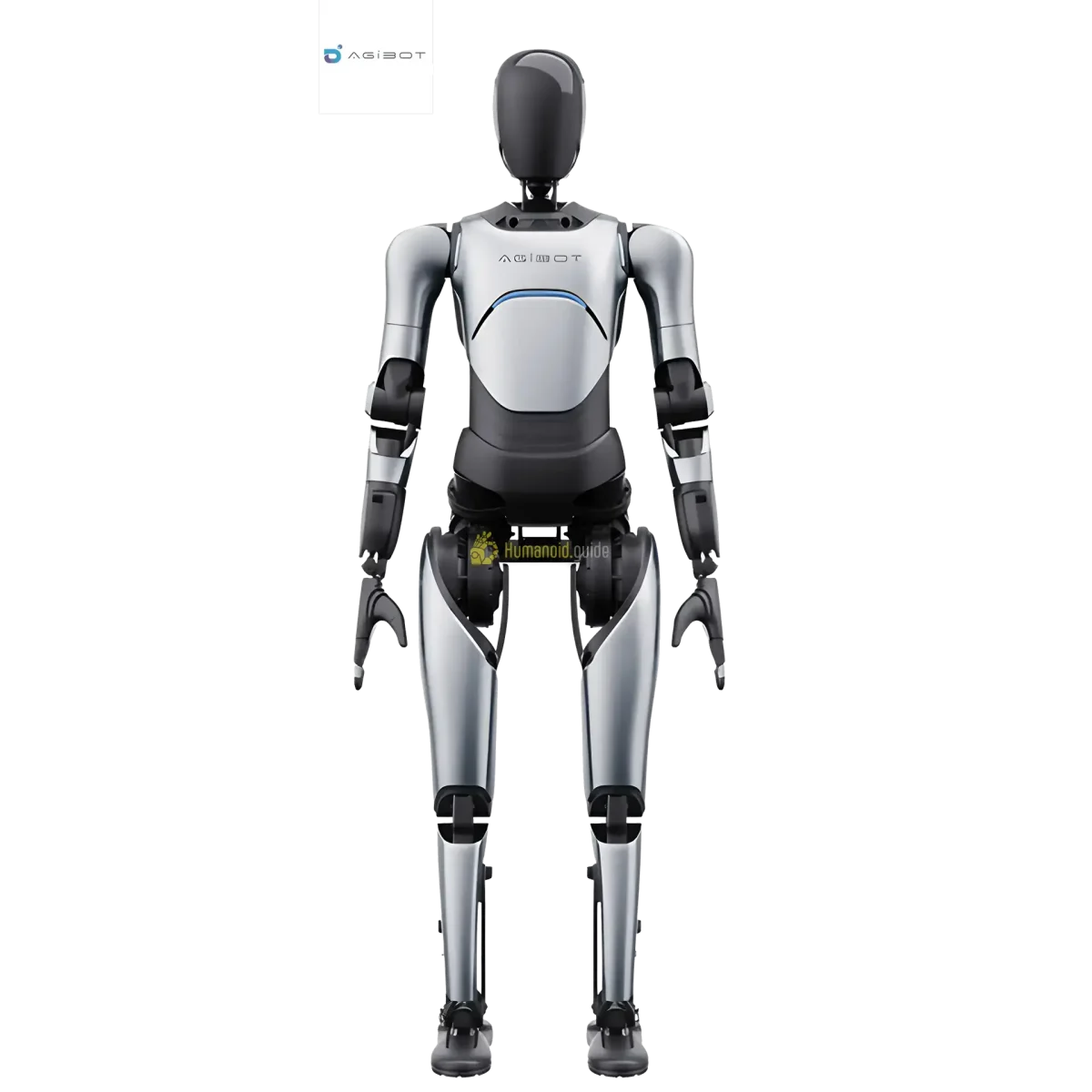 AgiBot A2 | 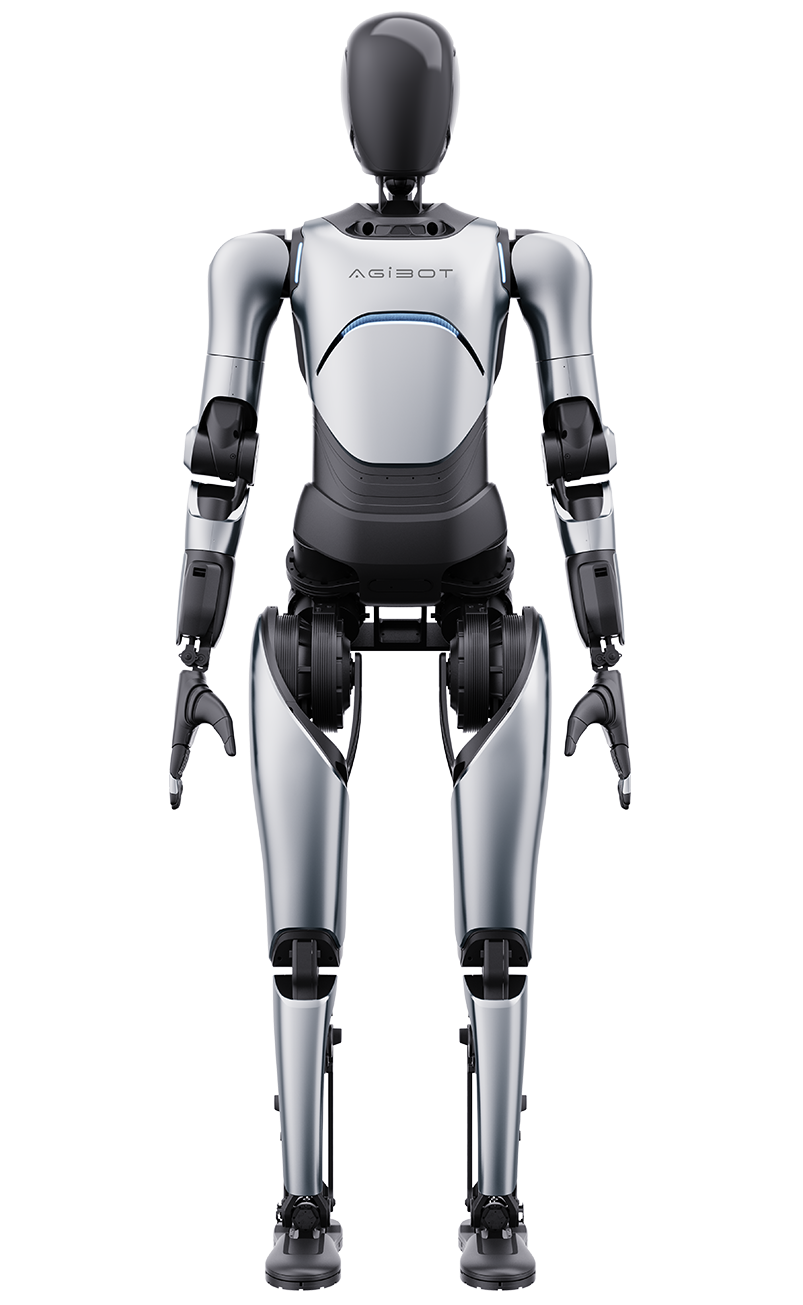 AgiBot A2 Max |
Quick Verdict: Who Wins?
- Best overall value: AgiBot A2 – superior payload, longer battery, lower price
- Best for heavy lifting / material handling: AgiBot A2 – 80 kg payload and 5‑hour runtime
- Best for fast, lightweight transport: AgiBot A2 Max – tall frame, identical top speed (3.3 m/s), works for tool‑carrying or tall‑reach tasks
- Best budget pick: AgiBot A2 – $100,000 vs $150,000 for the Max
AgiBot A2 vs AgiBot A2 Max: Specs Compared
The specification table below reveals the starkest difference: payload. The standard A2 can haul 80 kg – enough to move crates, machine parts, or assembly components – while the A2 Max barely lifts 3 kg, suitable only for lightweight tools or sensors. Battery life also heavily favors the A2 (5 hours vs 2 hours), and the A2 costs $50,000 less upfront. Both robots share a 49‑DOF architecture and identical top speed, but the A2 Max is noticeably taller and heavier.
| Specification | AgiBot A2 | AgiBot A2 Max |
|---|---|---|
| Price (new, USD) | $100,000 | $150,000 |
| Height | 1.69 m | 1.75 m |
| Weight | 55 kg | 85 kg |
| Payload | 80 kg | 3 kg |
| Max speed | 3.3 m/s | 3.3 m/s |
| Battery life | 5 hours | 2 hours |
| Degrees of freedom | 49 | 49 |
| IP rating | Not published | Not published |
| Onboard compute | Not published | Not published |
| Sensors (LiDAR/depth cameras) | Not published | Not published |
| Availability | Pre‑order | Pre‑order |
| Warranty / support | Not published | Not published |
AgiBot A2: The Heavy-Lifting Workhorse
Launched in 2025 by Shanghai‑based AgiBot, the A2 is built to replace repetitive, physically strenuous tasks in industrial settings. With a 80 kg payload, it is one of the strongest general‑purpose humanoids currently scheduled for delivery. Its 5‑hour battery covers a full shift of continuous material handling, palletising, or machine tending. The A2’s 49 degrees of freedom provide human‑like articulation, and the published top speed of 3.3 m/s allows it to move briskly across factory floors. Priced at $100,000 (pre‑order), it targets manufacturers and logistics operators who need high‑payload automation without the fixed‑footprint of a traditional industrial robot.
AgiBot A2 Max: The Tall, Light‑Duty Transporter
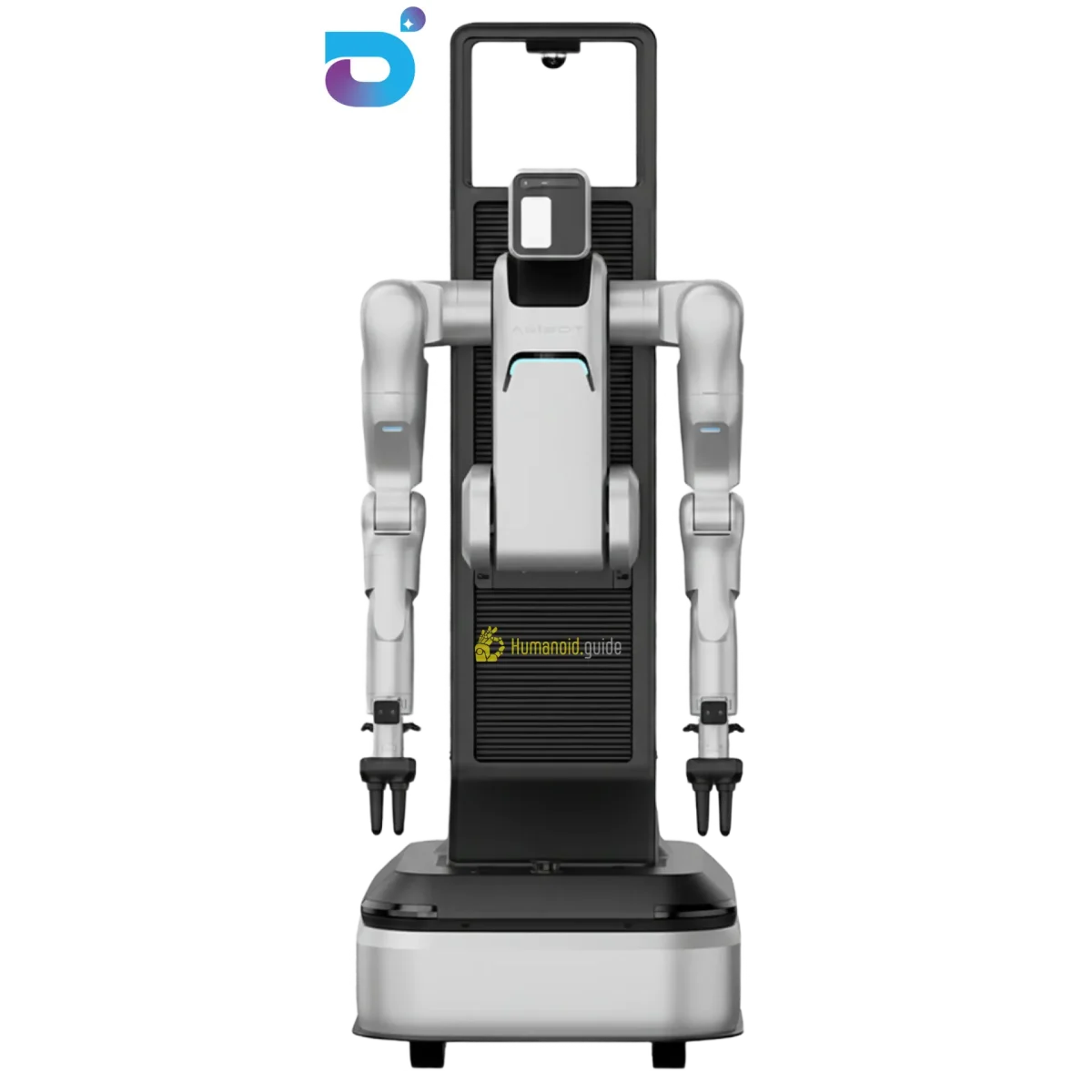
The A2 Max shares the A2’s core 49‑DOF platform but stretches to 1.75 m and bulks up to 85 kg – making it one of the tallest humanoid robots you can pre‑order today. That extra height gives it a larger working envelope, potentially reaching higher shelves or interacting with taller human workstations. However, the payload drops dramatically to just 3 kg, meaning it cannot handle any meaningful load. Battery life is cut to 2 hours, limiting its operational window per charge. At $150,000, it costs 50% more than the A2. Like its sibling, the A2 Max is available for pre‑order through AgiBot and select distributors, with first deliveries anticipated in the 2025–2026 window.
Head‑to‑Head by Dimension
Payload & Strength
The A2’s 80 kg payload is unmatched in its class, enabling it to lift heavy totes, engine parts, or full‑size packages. The A2 Max, by contrast, can only carry 3 kg – about the weight of a laptop or a small sensor. This single metric makes the A2 the obvious pick for any job involving manual material movement or assembly parts.
Winner: AgiBot A2
Speed & Maneuverability
Both robots share the exact same maximum straight‑line speed of 11.9 km/h. Without published information on acceleration, turning radius, or terrain handling, there is no measurable advantage for either in locomotion. The A2 Max’s “Max” branding does not translate into a speed edge.
Winner: Tie
Battery & Runtime
The A2 delivers 5 hours of continuous operation, enough for a half‑shift or extended autonomous work cycle. The A2 Max runs only 2 hours, meaning it would require three battery swaps to match the A2’s runtime over a shift. For any production environment that values uptime, the A2 is far superior.
Winner: AgiBot A2
Degrees of Freedom & Dexterity
Both robots use the same 49‑DOF chassis, likely identical joint configurations. This parity means they share the same dexterity potential for grasping, manipulation, and walking. No differentiation here.
Winner: Tie
Build & Dimensions
The A2 is shorter (1.69 m) and lighter (55 kg), making it easier to transport and fitting into standard industrial spaces. The A2 Max is taller (1.75 m) and heavier (85 kg), which could allow it to reach higher storage locations but makes it more demanding on floor loading and mobility. Neither robot has a published IP rating or dust/water resistance spec.
Winner: Depends on need – A2 for compactness; A2 Max for taller work envelopes
Software & SDK Ecosystem
AgiBot has not publicly released an SDK, ROS2 drivers, or simulation tools for either robot. Both are expected to support a standard robot framework, but until official documentation appears, developers face a blank slate. There is no current advantage for one over the other.
Winner: No data
Autonomy & Sensors
Details on the perception stack are completely absent. Neither robot lists LiDAR models, depth cameras, or autonomous navigation software. Buyers should assume that AgiBot will bundle some package, but transparency is low.
Winner: No data
Build Quality & Durability
No IP rating, no operating temperature range, and no published MTBF data make a direct durability comparison impossible. The A2 Max’s heavier frame might imply a more rugged design, but that is speculative.
Winner: Not enough information
Price & Total Cost of Ownership
At the sticker price, the AgiBot A2 costs $100,000, while the A2 Max commands $150,000. Over a three‑year deployment, the difference grows further due to the A2 Max’s short battery life, which will require more frequent charging infrastructure, spare batteries, and likely higher energy costs. Assuming a battery replacement every 2–3 years and the need for at least two spare packs to keep the Max running a full shift, the total cost of ownership (TCO) for the Max could be at least $50,000–$70,000 higher than the A2 over three years.
| Model | Base Price | Estimated 3‑Year TCO (Hardware + Spares) |
|---|---|---|
| AgiBot A2 | $100,000 | ~$120,000–$135,000 |
| AgiBot A2 Max | $150,000 | ~$190,000–$210,000 |
No leasing or RaaS (Robot‑as‑a‑Service) programs have been announced. Both units are available for pre‑order, with delivery timelines unspecified. Enterprises should budget for integration, software, and operator training on top of the hardware price.
Winner: AgiBot A2
Which Should You Buy? AgiBot A2 vs A2 Max by Use Case
Choose the AgiBot A2 if… - You need to move pallets, large parts, or warehouse loads (payload ≥10 kg) - Long runtime is critical – 5 hours covers a full material‑handling shift - You want the lower upfront and total cost ($100,000) - Your task fits a 1.69 m working height
Choose the AgiBot A2 Max if… - Your tasks involve only light tools, sensors, or small bins (≤3 kg) - A taller robot (1.75 m) is required to reach high shelves or work alongside tall operators - You are conducting research that needs a taller humanoid form factor and can accept shorter battery life
Choose neither if… - You need a proven, production‑hardened humanoid with a track record – both models are pre‑order, with no real‑world deployment data publicly available - Your application demands a payload between 5 kg and 70 kg – neither robot serves this middle ground well
Real‑World Deployments & Track Record
As of June 2026, AgiBot has not disclosed any named customer deployments, operating hours, or units shipped for either the A2 or A2 Max. Both robots are actively selling via pre‑order, but real factory or warehouse reports are absent. This lack of public field data is common for new humanoid entrants and does not imply poor performance, but it means early adopters will be venturing into unknown reliability and support territory. Buyers should request pilot test data or references from AgiBot before committing.
SDK, Software & Developer Ecosystem
AgiBot has kept its software stack under wraps. Given industry norms, both robots are likely to run on an NVIDIA Jetson Orin module and support ROS2, but no official confirmation exists. The same 49‑DOF platform suggests a shared codebase and possibly a unified simulation environment. Until AgiBot releases an SDK and sample applications, integrators should plan for a steep learning curve and factor in custom development costs.
Support, Warranty & Availability
Both the A2 and A2 Max are available for pre‑order through AgiBot’s direct sales channels and select distributors. Pricing and lead times are quoted individually; the company has not published standard warranty terms or enterprise service‑level agreements. Potential buyers should negotiate a service contract that includes spare parts, on‑site support, and a defined delivery schedule, as none of these are guaranteed in the baseline offer.
Comments